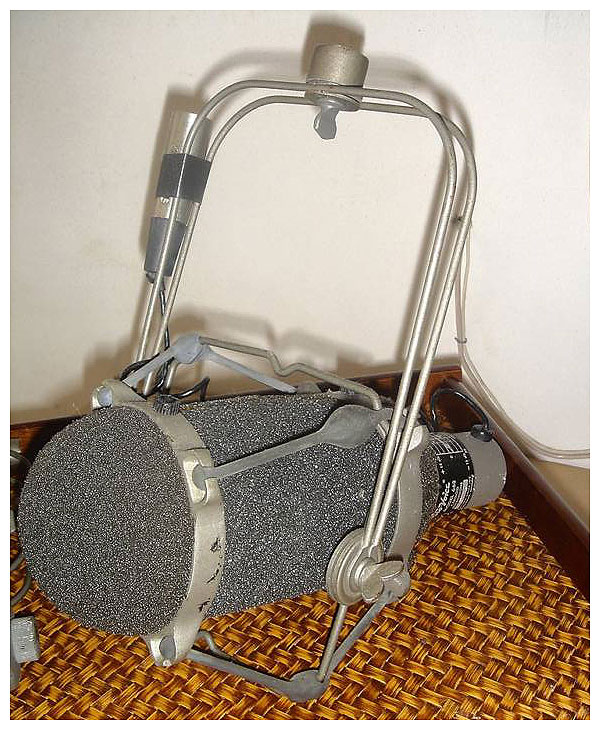
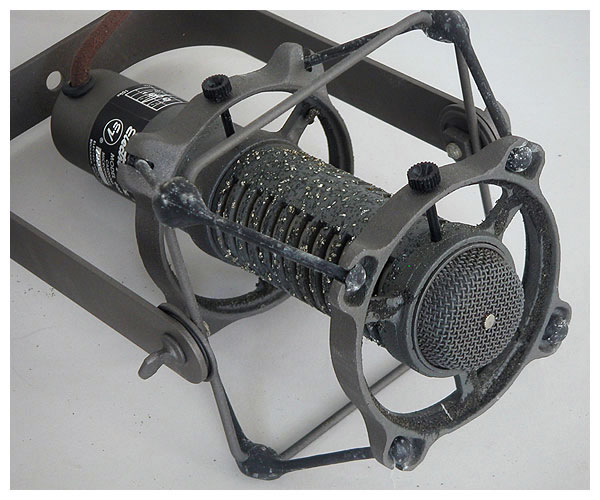
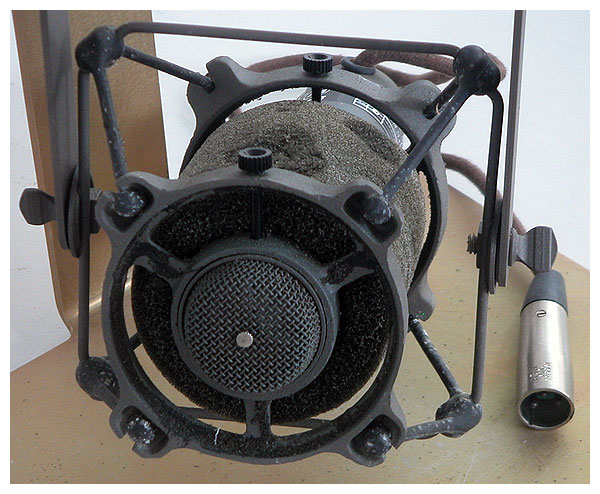
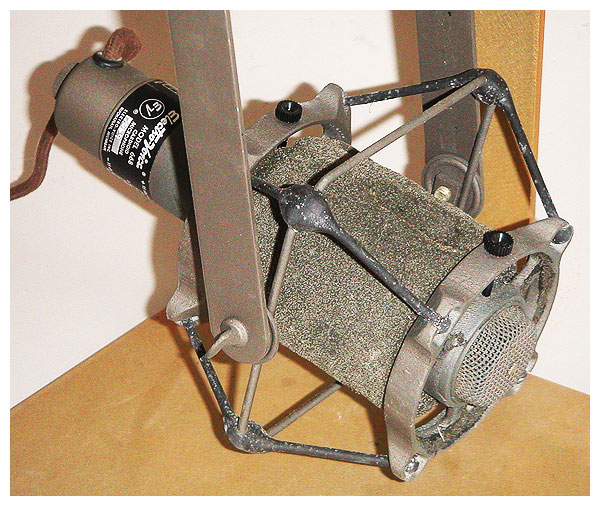
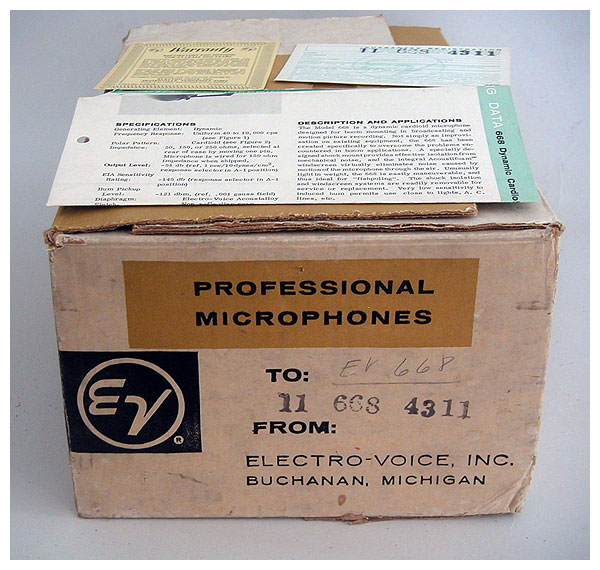
The Electro-Voice Model 668 dynamic cardioid microphone — June, 1964
Hear the sound of this mic as voiced by Ellis Dawson.
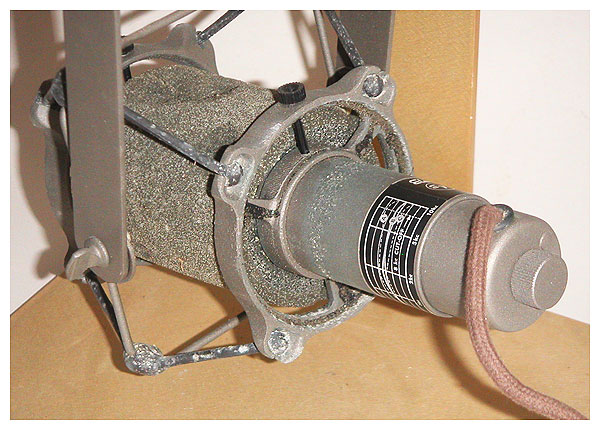
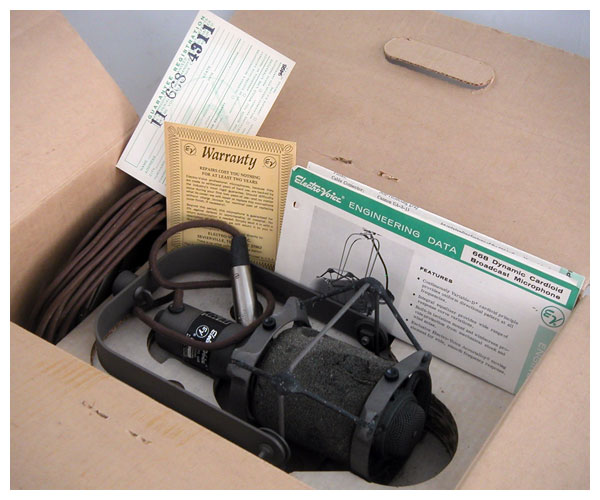
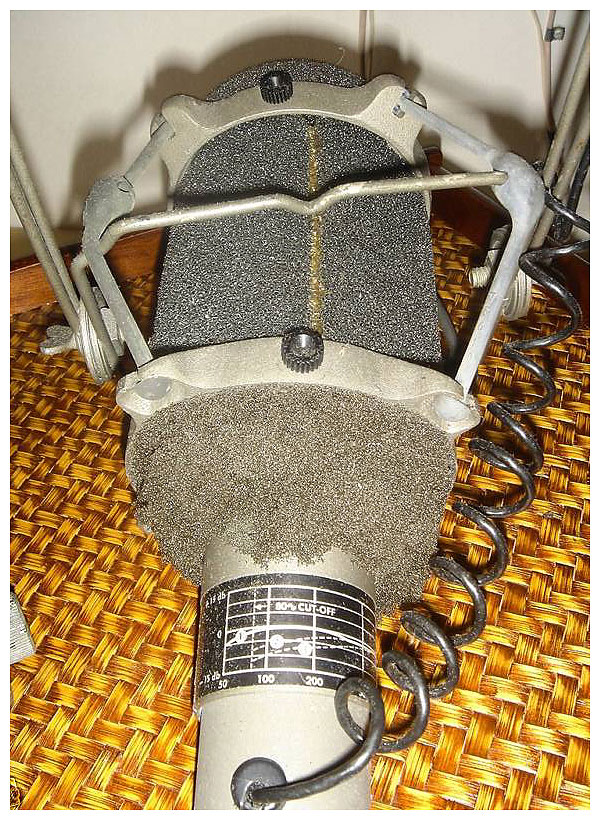
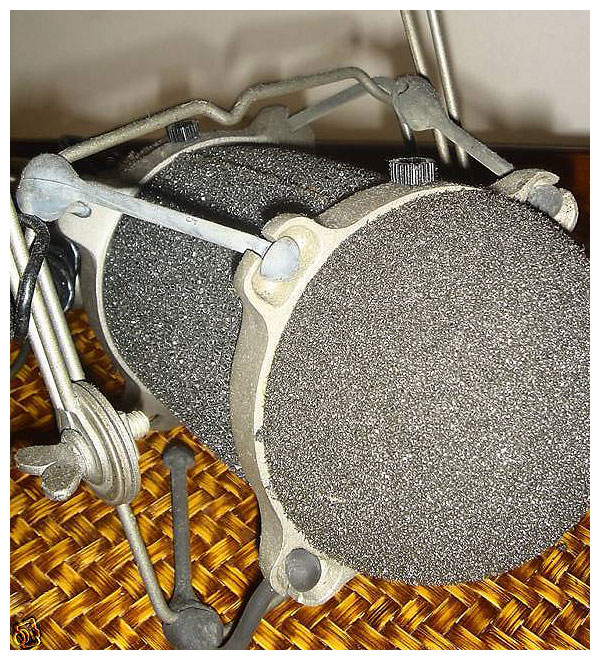
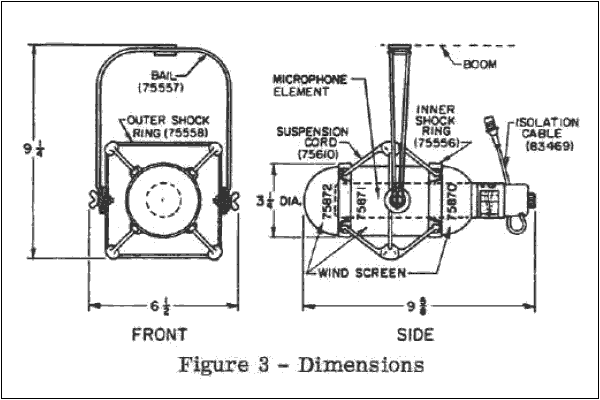
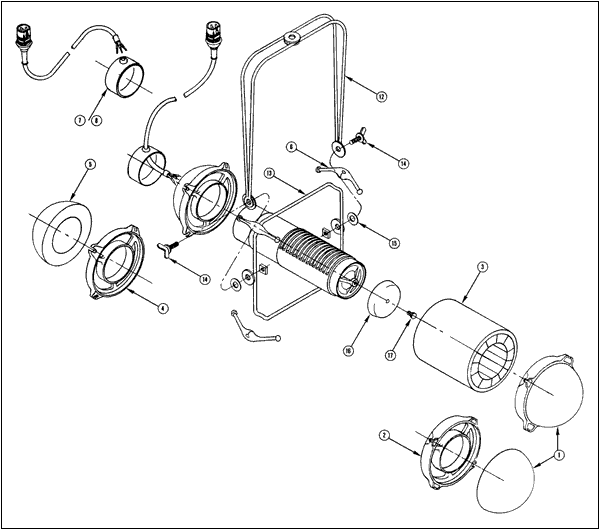
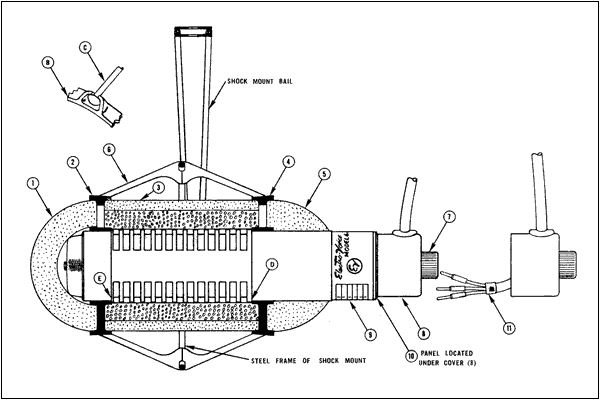
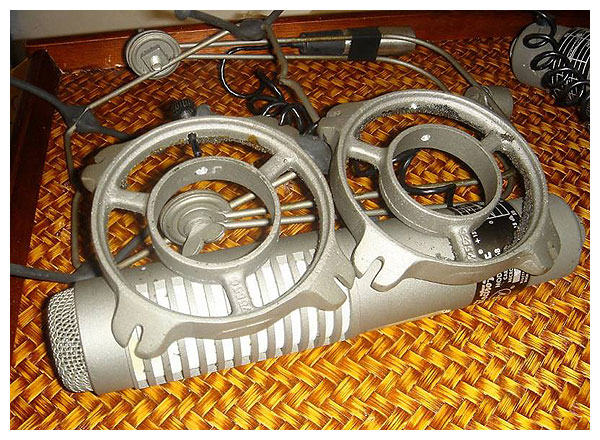
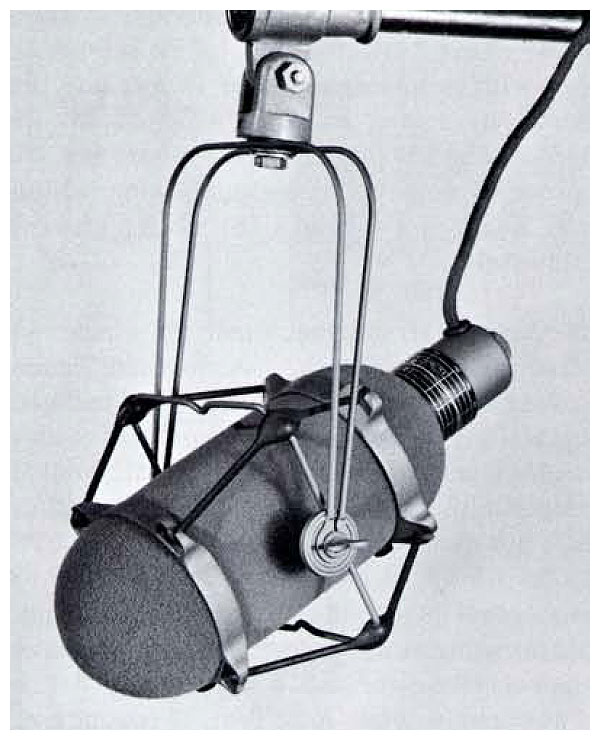
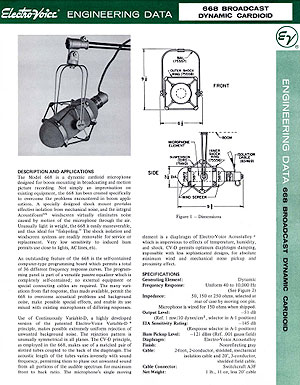
Description and Applications The Model 668 is a dynamic cardioid microphone designed for boom mounting in broadcasting and motion picture recording. Not simply an improvisation on existing equipment, the 668 has been created specifically to overcome the problems encountered in boom applications. A specially designed shock mount provides effective isolation from mechanical noise, and the integral Acoustifoam windscreen virtually eliminates noise caused by motion of the mic through he air. Unusually light in weight, the 668 is easily maneuverable, and thus ideal for fish-poling. The shock isolation and windscreen systems are readily removable for service or replacement. Low sensitivity to induced hum permits use close to lights, AC lines, etc.
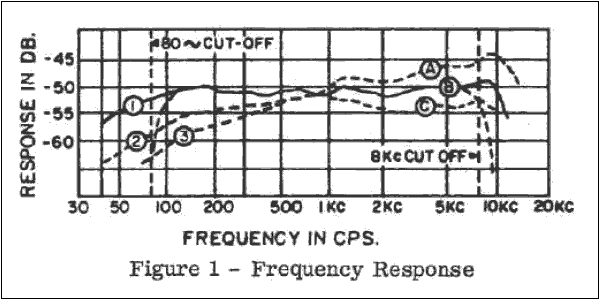
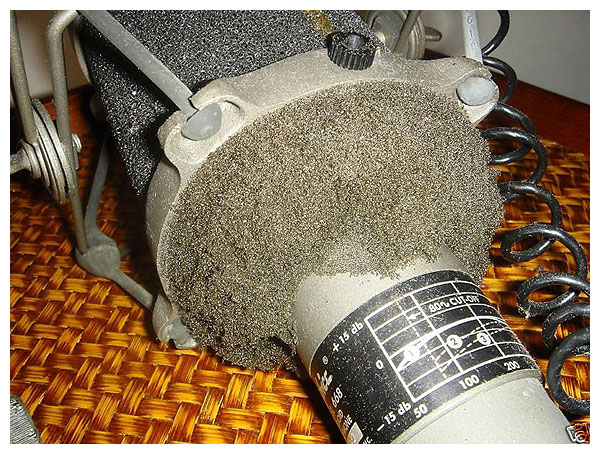
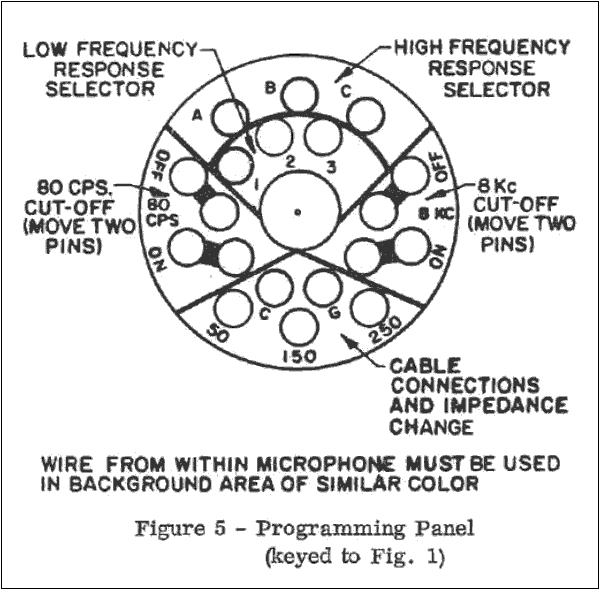
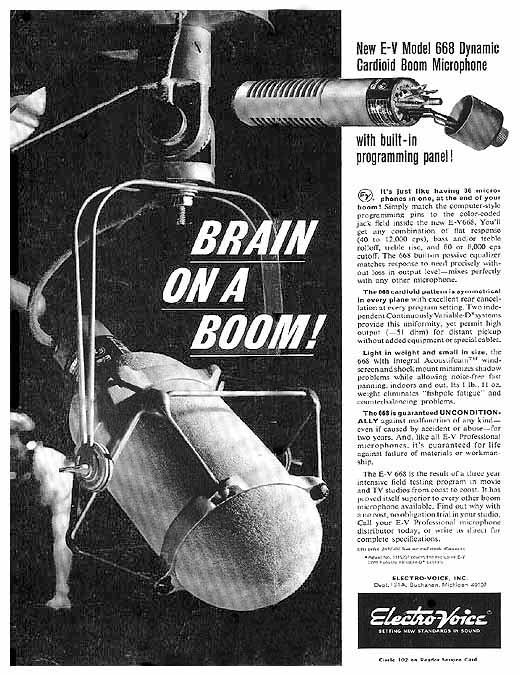
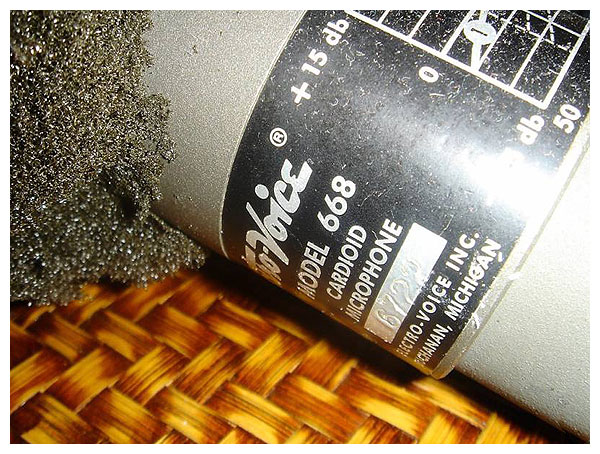
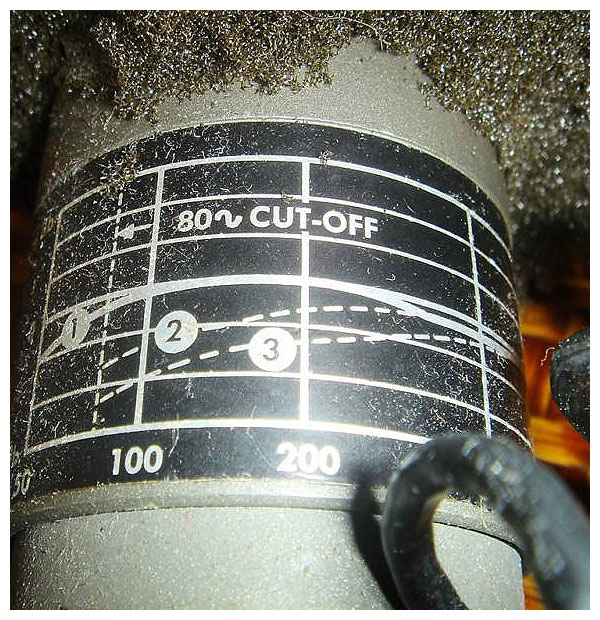
An outstanding feature of the 668 is the self-contained computer-type programming board which permits a total of 36 different frequency response curves. The programming panel is part of a versatile passive equalizer, which is completely self-contained; no external equipment or special connecting cables are required. The many variations from flat response thus made available permit the 668 to overcome acoustical problems and background noise, make possible special effects, and enable its use mixed with existing mics of differing responses.
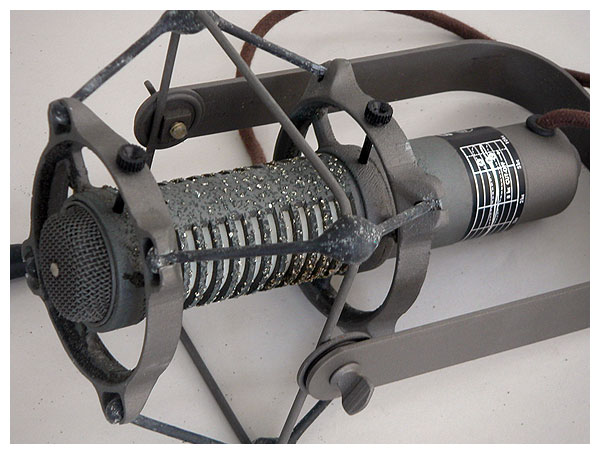
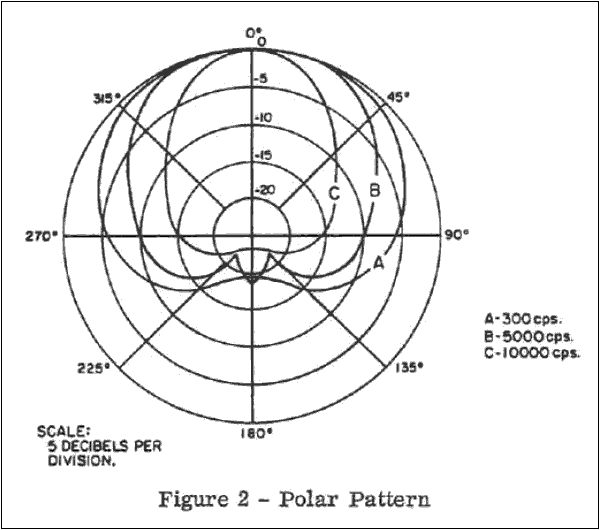
Use of Continuously Variable-D, a highly developed version of the patented Electro-Voice Variable-D principle, makes possible extremely uniform rejection of unwanted background noise. The rejection pattern is unusually symmetrical in all planes. The CV-D principle as employed in the 668 makes use of a matched pair of slotted tubes coupled to the back of the diaphragm. The acoustic length of the tubes varies inversely with sound frequency, permitting them to phase out unwanted sound from all portions of the audio spectrum for maximum front to back ratio. The microphone’s single moving element is a diaphragm of Electro-Voice Acoustalloy, which is impervious to effects of temperature, humidity, and shock. CV-D permits optimum diaphragm damping, impossible with less sophisticated designs, for minimum wind and mechanical noise pickup and proximity effect.
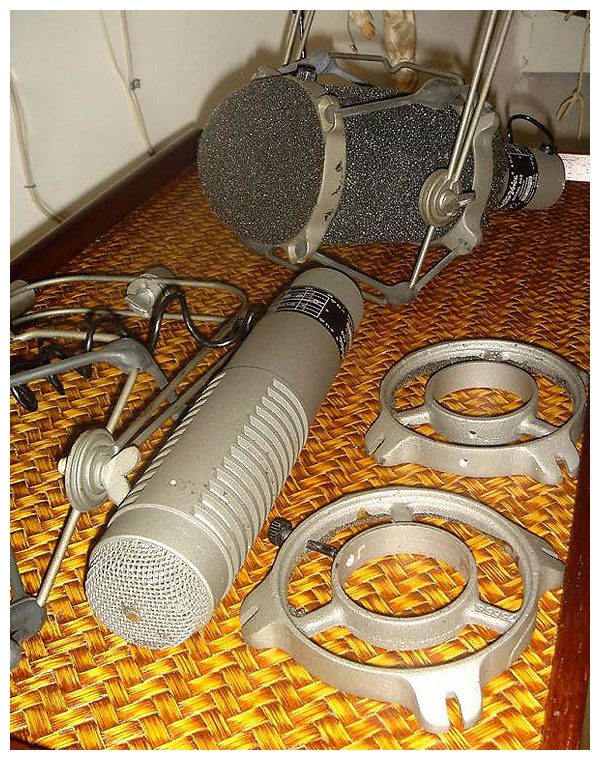
Photographs for this page were obtained through the courtesy of Mr. Ellis Dawson.
Specifications
Generating Element: Dynamic
Frequency Response: Uniform 40 to 10,000 cps (see Figure 1)
Polar Pattern: Cardioid (see Figure 2)
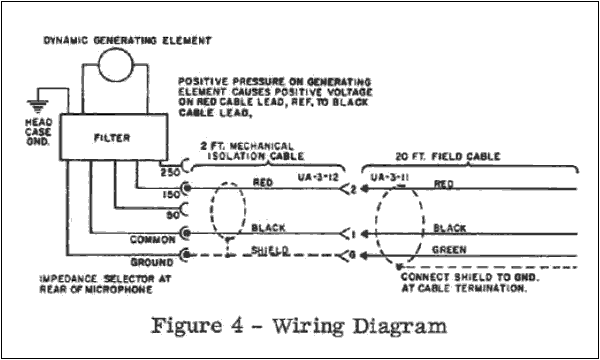
Impedance: 50, 150, or 250 ohms, selected at rear of case by moving one pin. Microphone is wired for 150 ohms impedance when shipped.
Output Level: -51 dB (ref. 1 mW/10 dynes/square centimeter, response selector in A-1 position)
EIA Sensitivity Rating: -145 dB (response selector in A-1 position)