More Celebrities
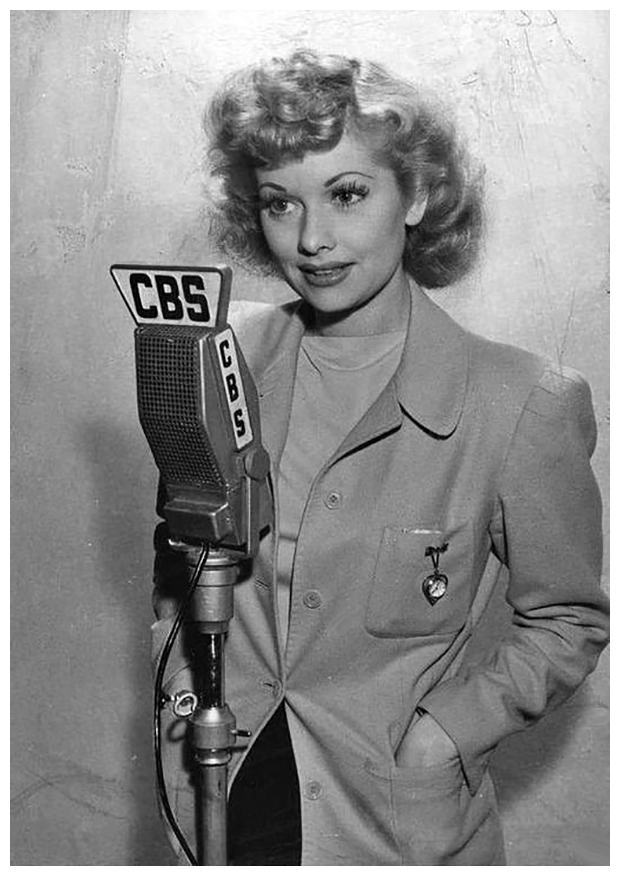
Lucille Ball (prior to her television days)
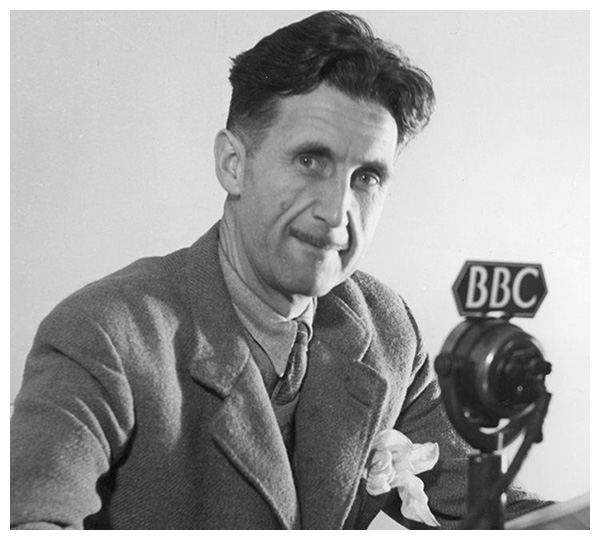
George Orwell

Bill Bradshaw at his first radio job with WNVA, Norton, Virginia

WNVA newscaster Bill Bradshaw

Costumed as one of his favorite clowns from Ringling Brothers and
Barnum & Bailey Circus with written permission from the clown
himself, Bill Bradshaw gives an on-air performance

Mr. Bradshaw as WNVA’s on-the-street reporter

WCKY radio announcer and music show host Bill Bradshaw

Probably a WCKY phone-in contest. If you recognize
this on-air “chef,” please let us know who he is.

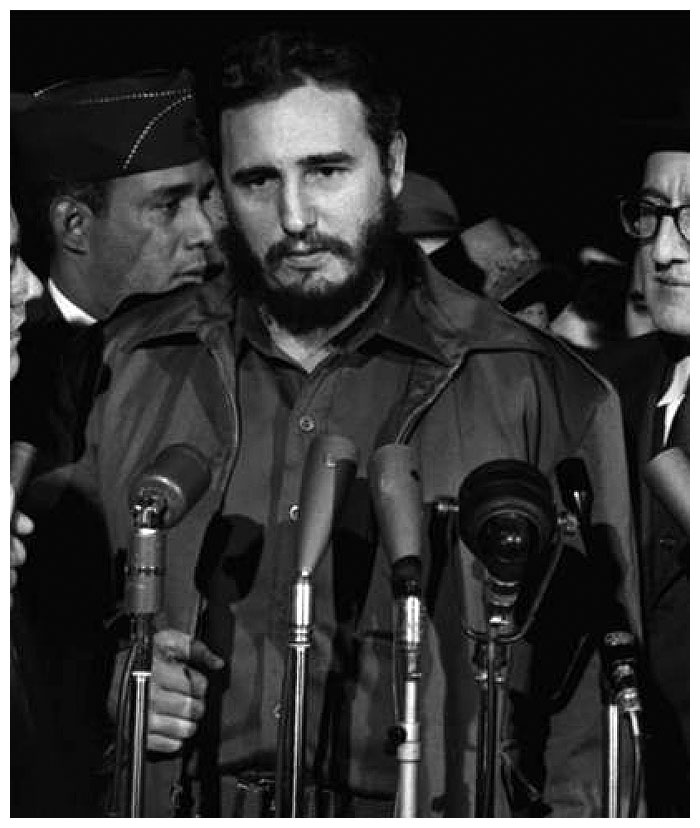
Fidel Castro
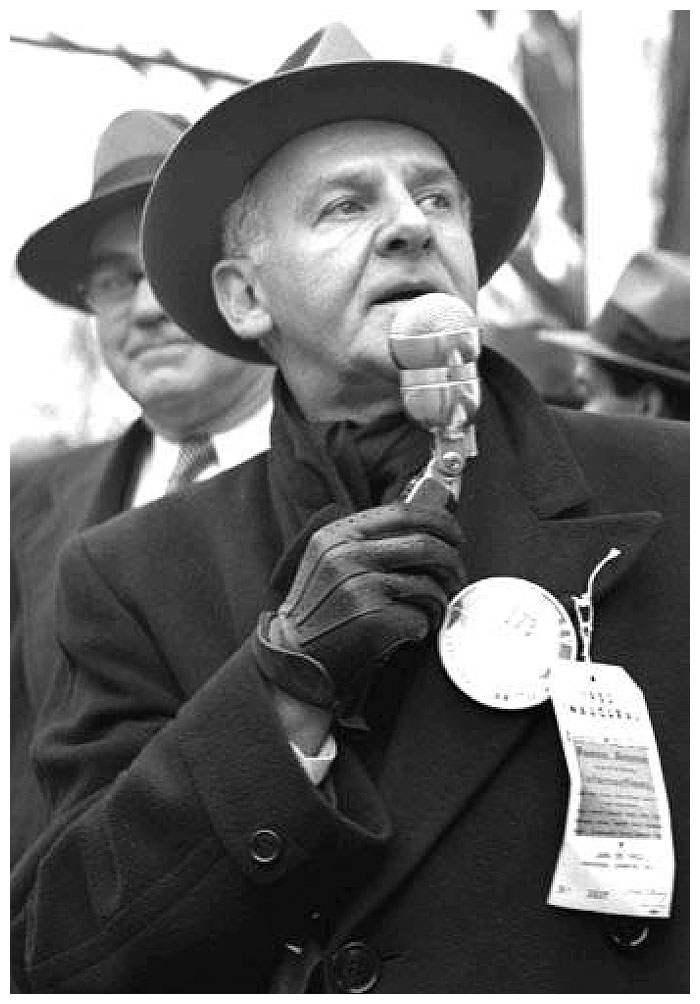
Walter Winchell
The following five photos are from Radio Production Directing, edited by Albert Crews and published in 1944 by National Broadcasting Company and Houghton Mifflin Company. Printed at The Riverside Press, Cambridge, Massachusetts.
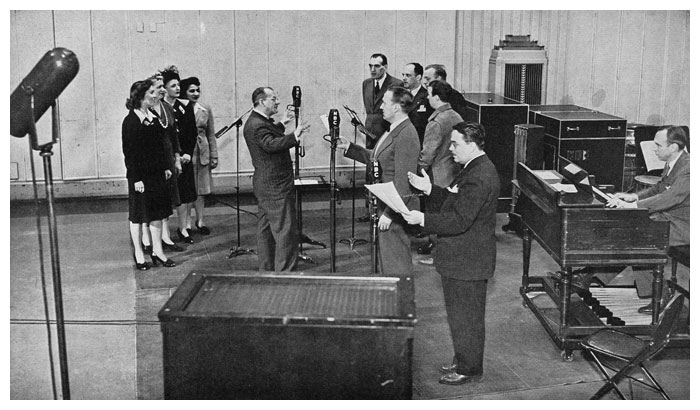
Arrangement for choral groups in “Hymns of All Churches”
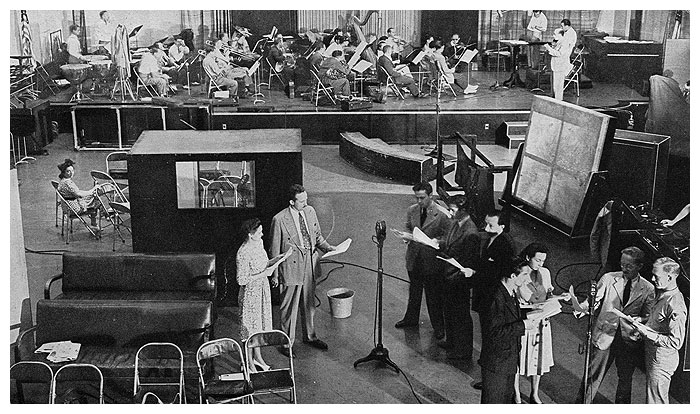
“March of Time” broadcast
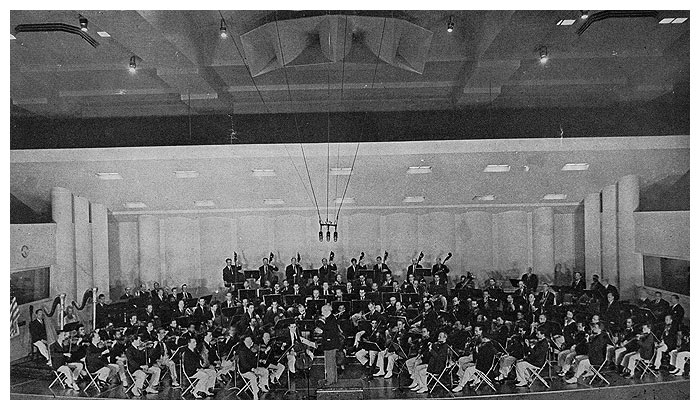
NBC Symphony Orchestra conducted by Arturo
Toscanini in Studio 8-H, Radio City, New York
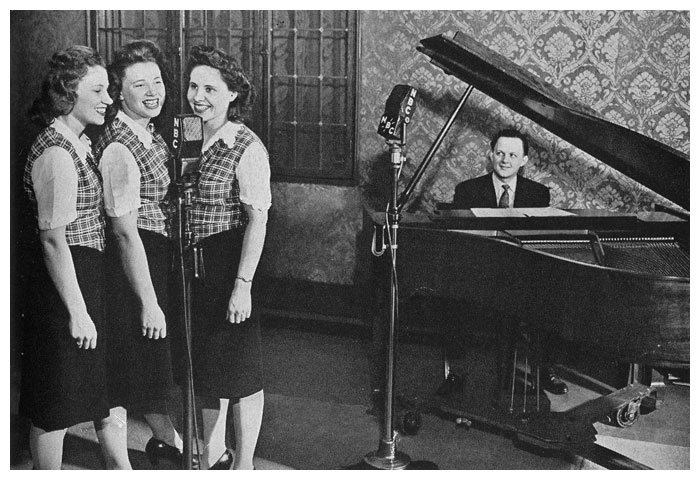
The Carroll Sisters and Russell Wilk
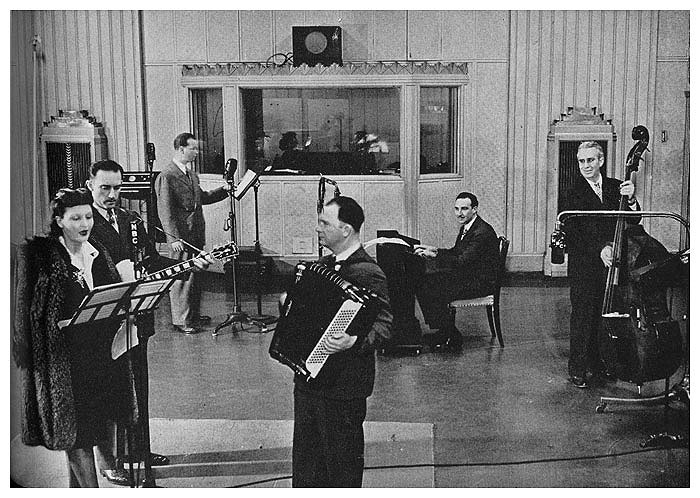
Louise Massey and “The Westerners”
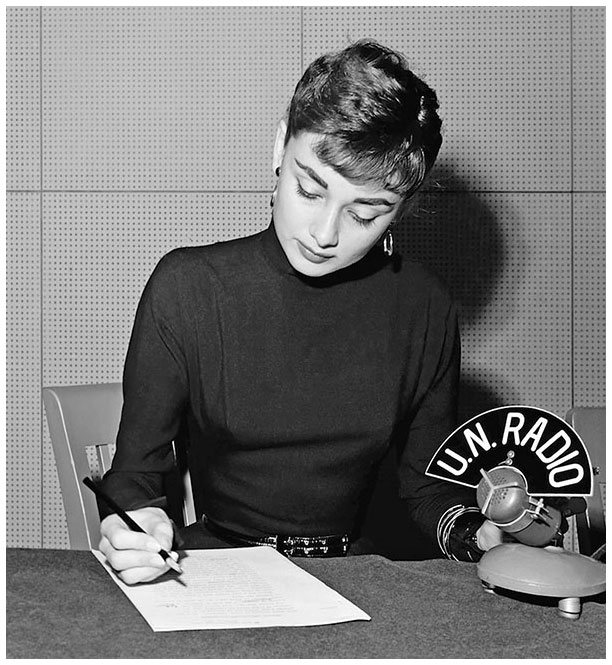
Audrey Hepburn during her time spent at UNICEF
Multi-lingual along with being an exceptionally talented actress, Audrey was well-suited to work with the United Nations International Childrens Emergency Fund as a Goodwill Ambassador beginning in 1988.
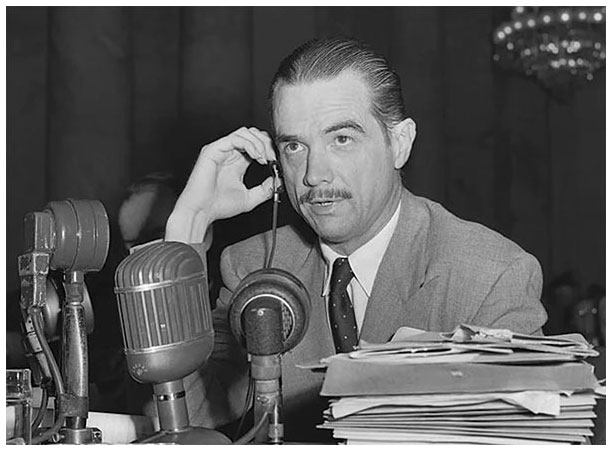
Howard Hughes
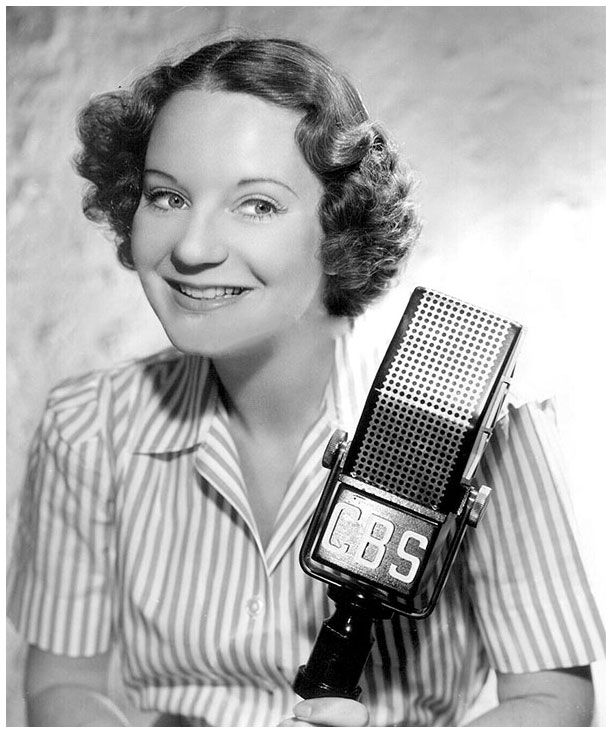
Portland Hoffa, wife of humorist Fred Allen
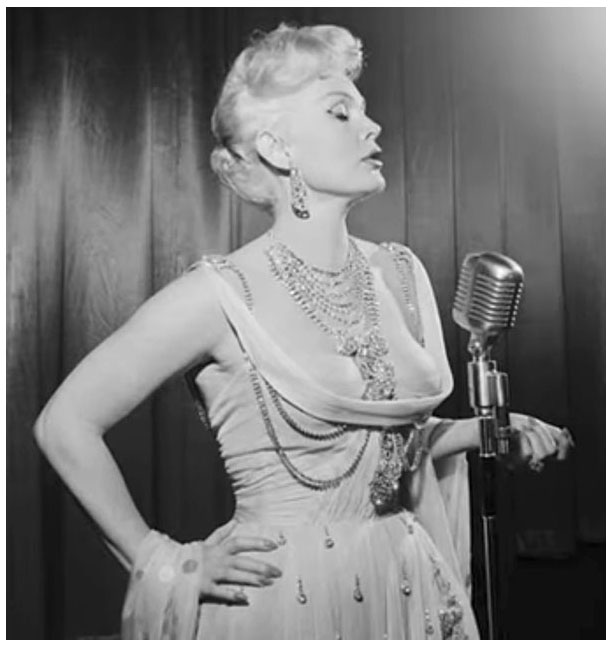
Zsa Zsa Gabor
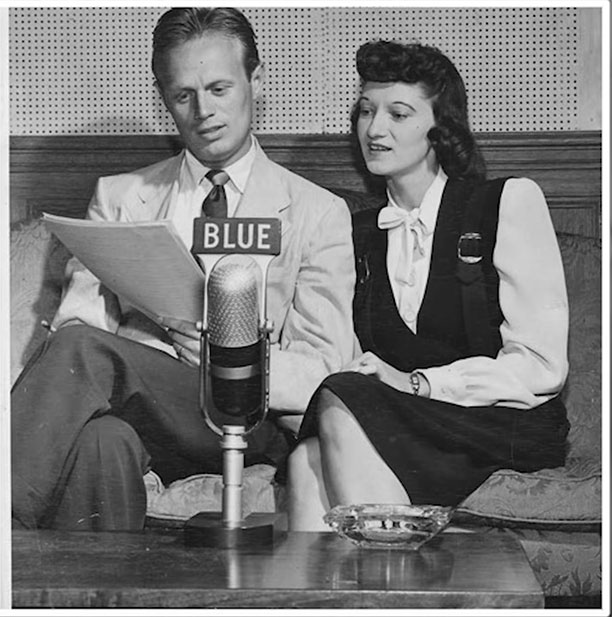
Richard Widmark with wife Ora Jean Hazelwood on the Blue Network
Bonus history of The Andrews Sisters
and NBC’s Blue and Red networks
Use the browser’s < or ← button to return to this page.

Jack Benny
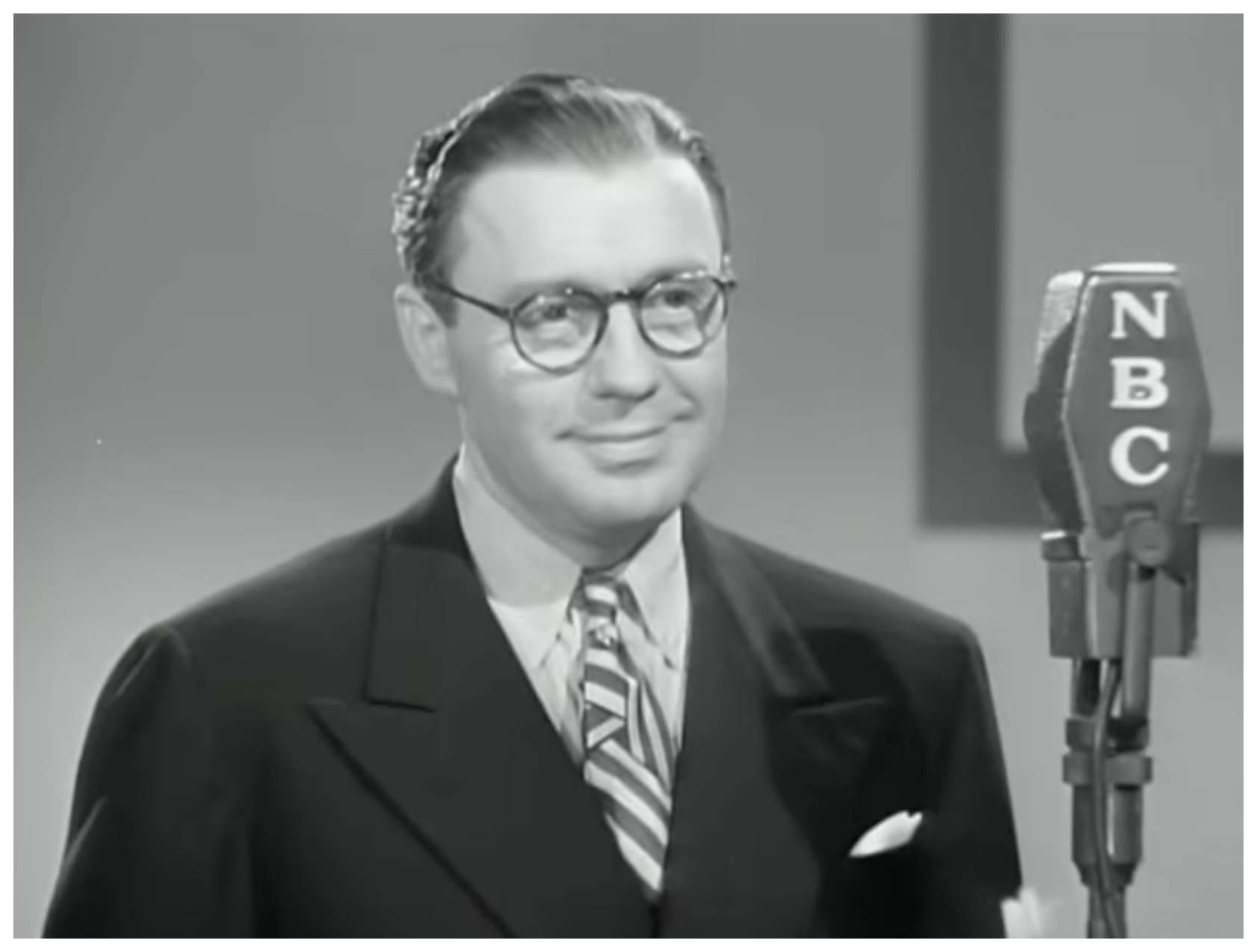

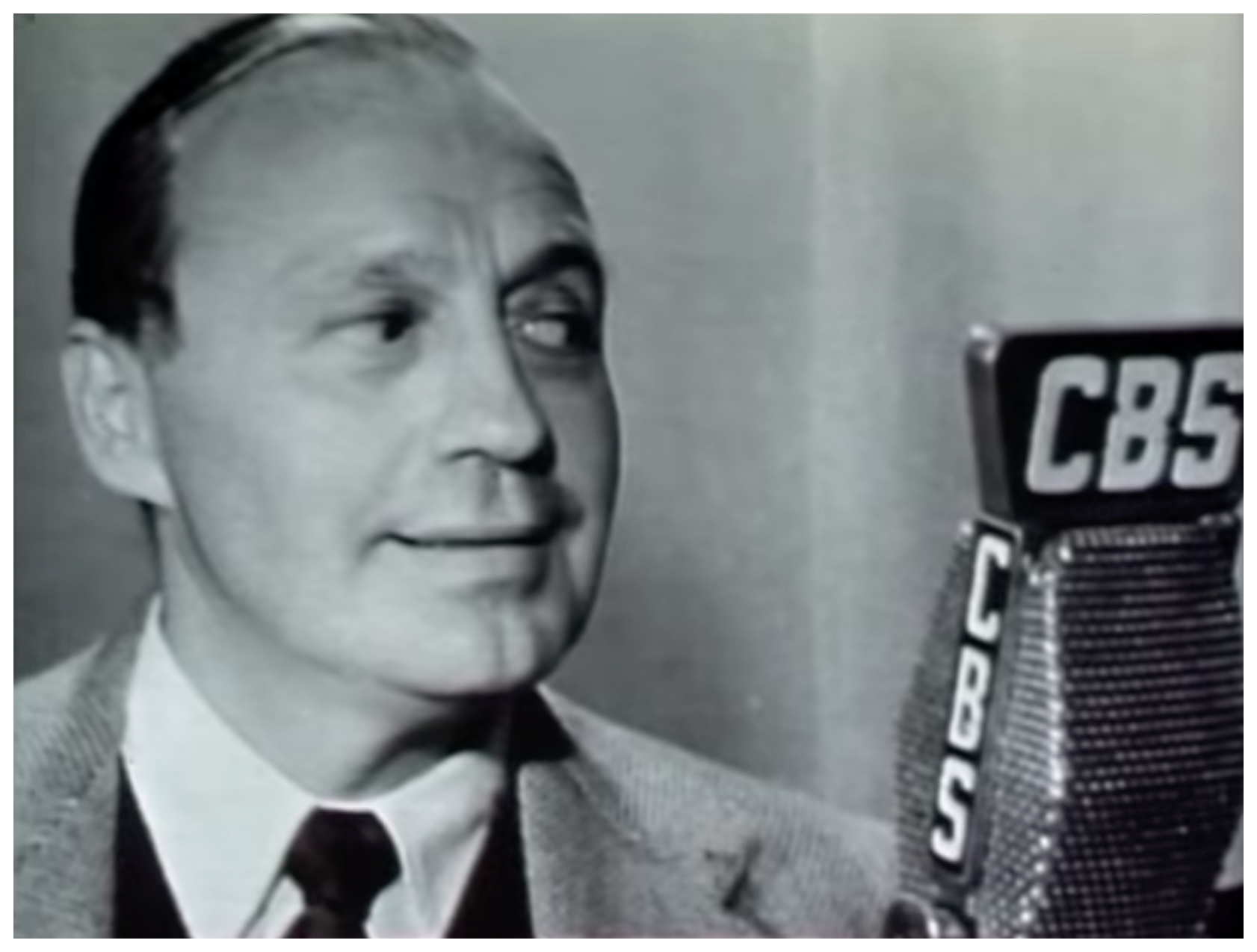
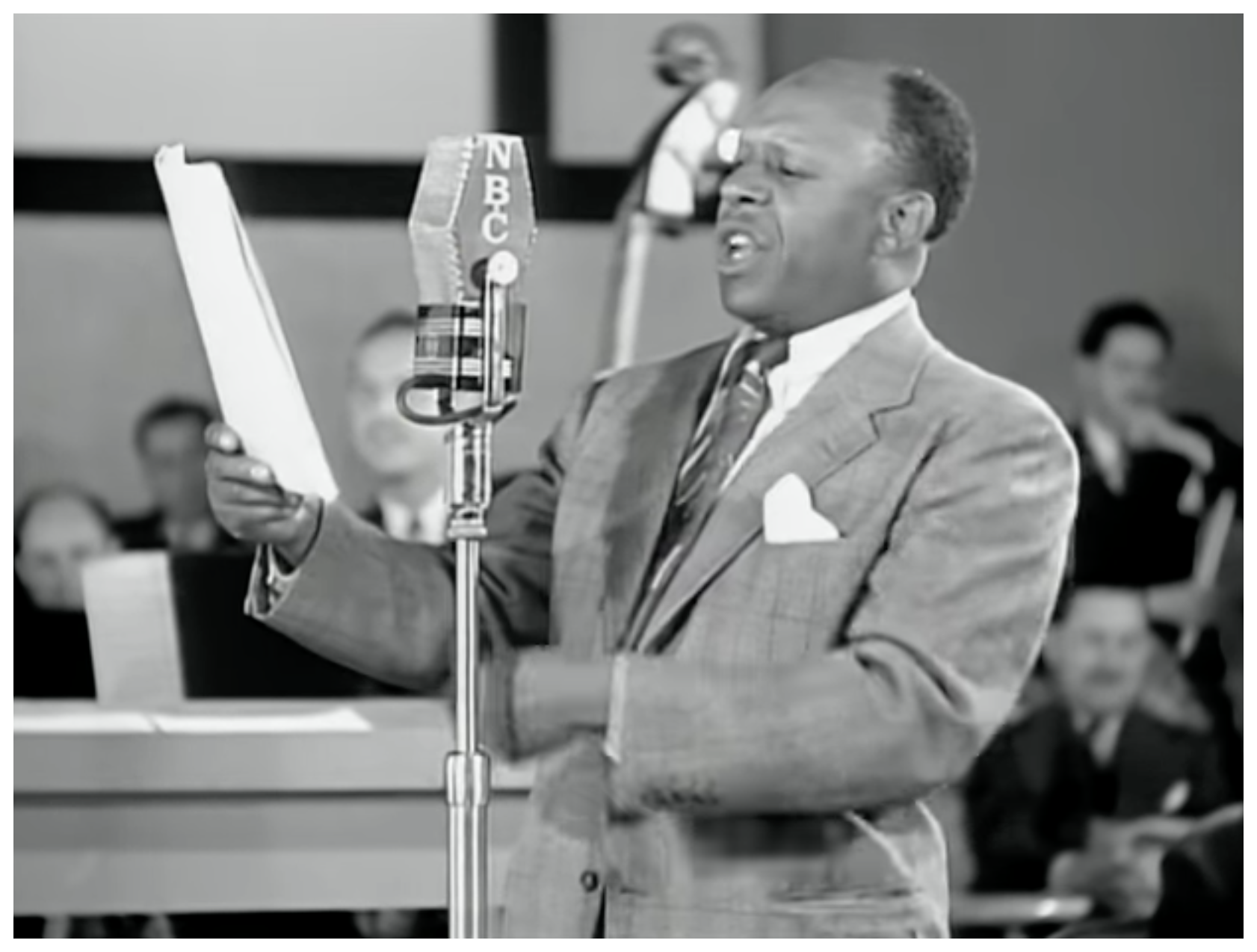
Eddie Anderson as “Rochester”
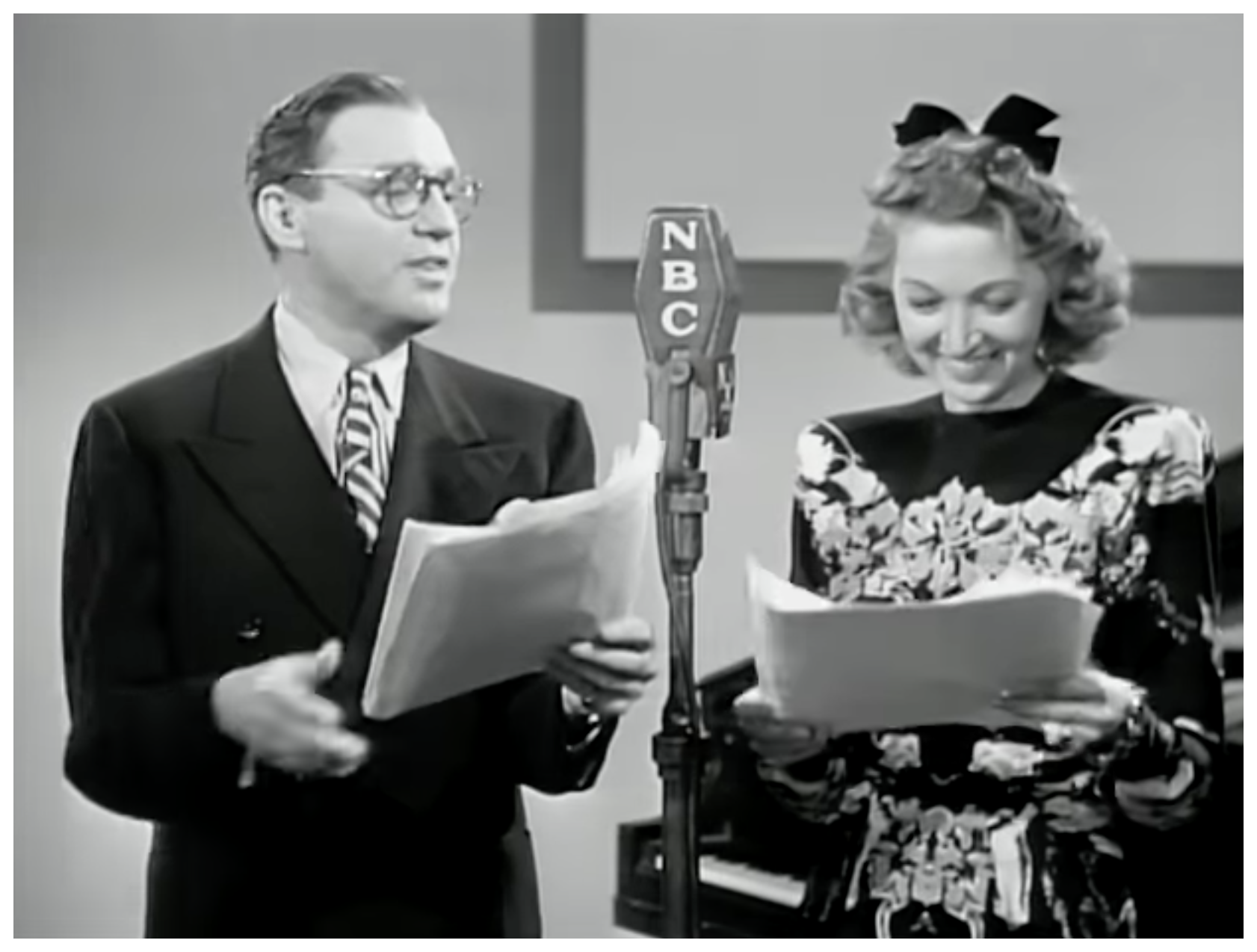
Jack with his wife, Sadie Marks, as “Mary Livingstone”

Jack Benny (born Benjamin Kubelsky; February 14, 1894–December 26, 1974) was an American entertainer who evolved from a modest success as a violinist on the vaudeville circuit to one of the leading entertainers of the twentieth century with a highly popular comedic career in radio, television, and film. He was known for his comic timing and the ability to cause laughter with a long pause or a single expression, such as his signature exasperated summation, “Well!”
His radio and television programs, popular from 1932 until his death in 1974, were a major influence on the sitcom genre. Benny portrayed himself as a miser who obliviously played his violin badly and claimed perpetually to be 39 years of age.
Benny had been a minor vaudeville performer before becoming a national figure with The Jack Benny Program, a weekly radio show that ran from 1932 to 1948 on NBC and from 1949 to 1955 on CBS. It was among the most highly rated programs during its run.
—Wikipedia

Jack Webb
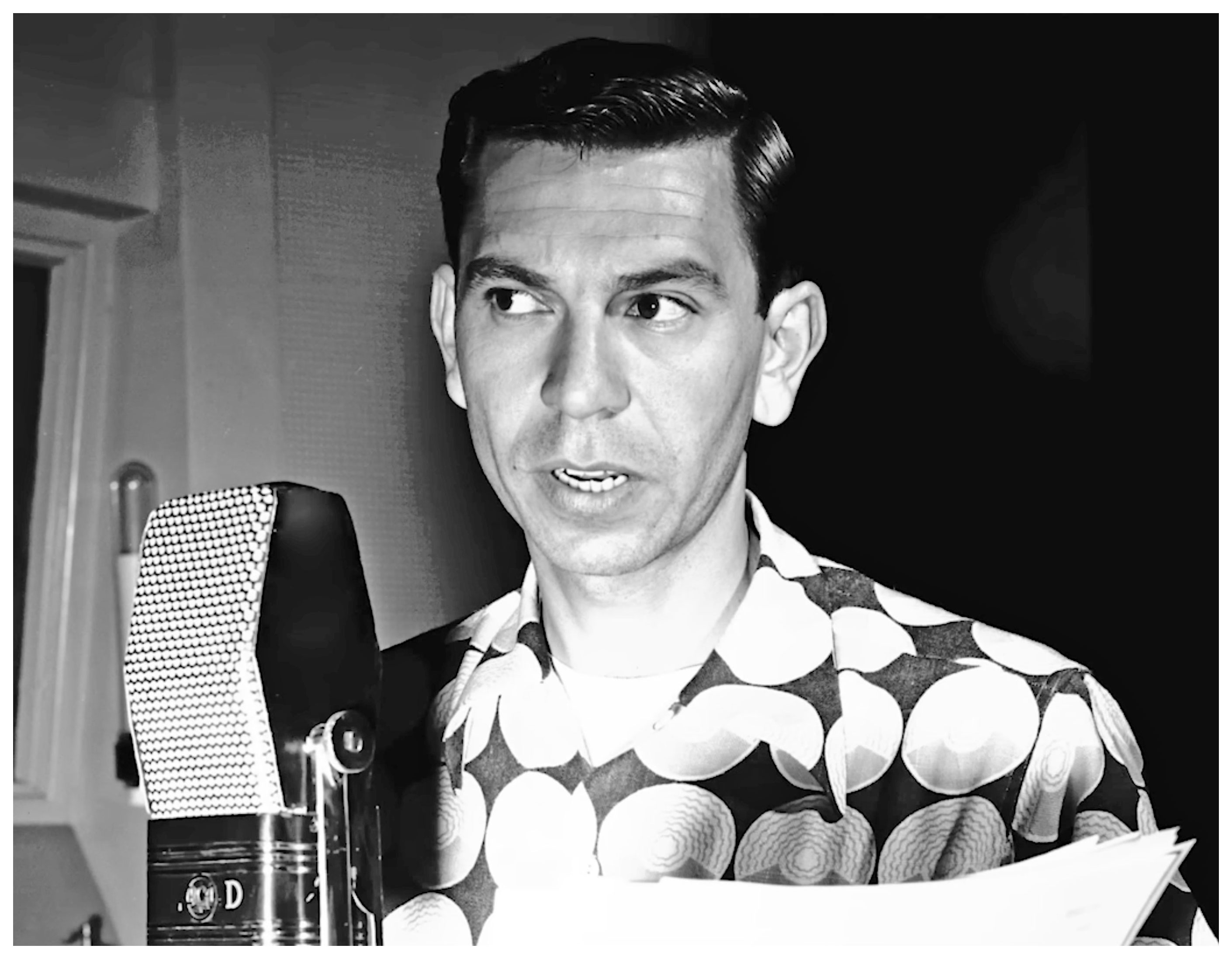
Jack Webb
John Randolph Webb (April 2, 1920–December 23, 1982) was an American actor, television producer, director, and screenwriter, most famous for his role as “Joe Friday” in the Dragnet franchise, which he created. He was also the founder of his own production company, Mark VII Limited.
Webb started his career in the 1940s as a radio personality, starring in several radio shows and dramas—including Dragnet, which he created in 1949—before entering television in the 1950s, creating the television adaptation of Dragnet for NBC as well as other series.
Throughout the 1960s, Webb worked in both acting and television production, creating Adam-12 in 1968, and in 1970, Webb retired from acting to focus on producing, creating Emergency! in 1972. Webb continued to make television series, and although many of them were less successful and short-lived, he wished to rekindle his prior successes, and had plans to return to acting in a Dragnet revival before he died.
Webb’s production style aimed for significant levels of detail and accuracy. Many of his works focused on law enforcement and emergency services in the Los Angeles area, most prominently the Los Angeles Police Department (LAPD), which directly supported the production of Dragnet and Adam-12. —Wikipedia
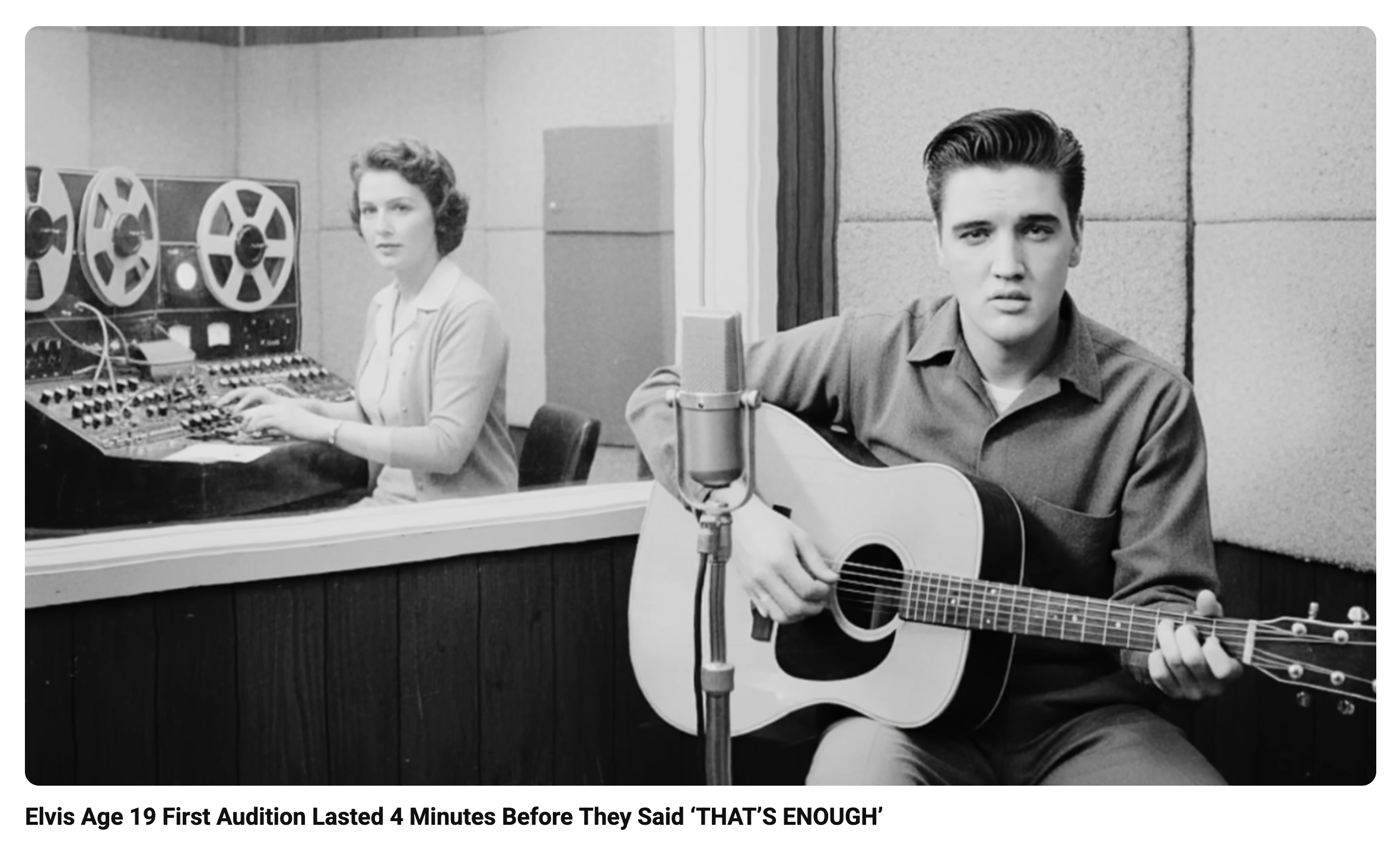
Elvis Presley
Elvis at Sun Studios with Marion Keisker MacInnes in 1956 during his initial recording session. The legend holds that owner Sam Phillips advised Elvis his style was “too unusual,” and to keep his job driving a truck.
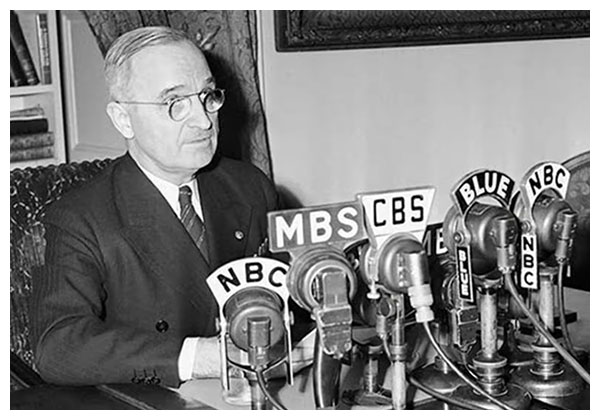
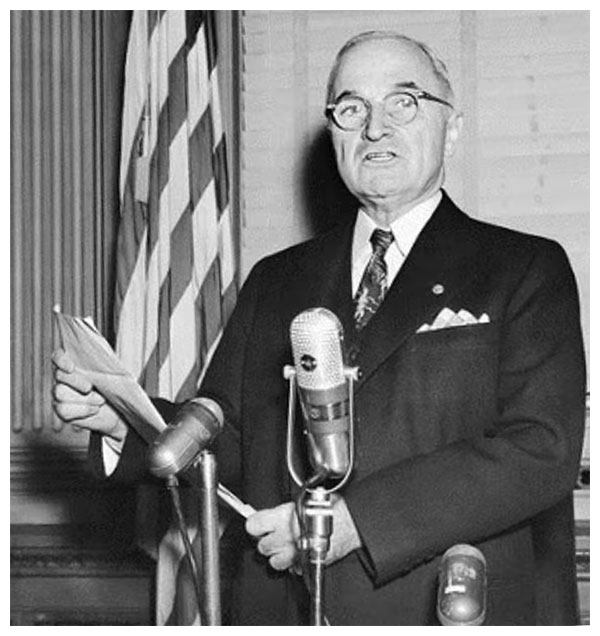
Harry S Truman
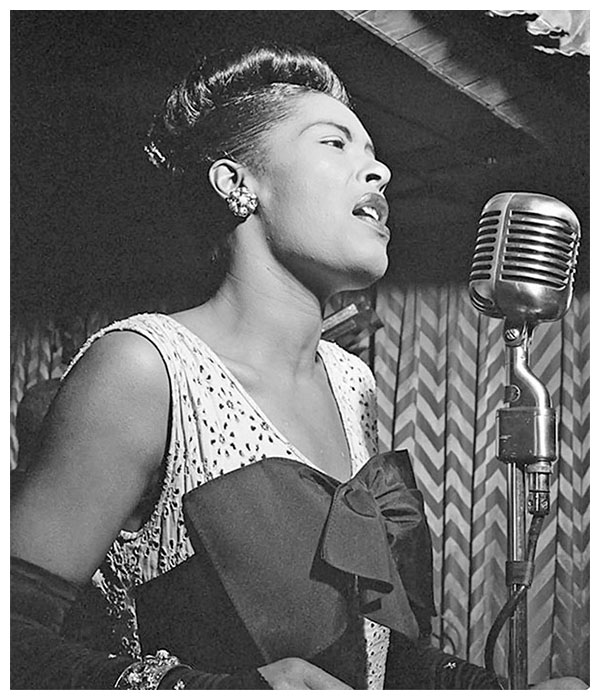
Billie Holiday
Billie Holiday (born Eleanora Fagan; April 7, 1915–July 17, 1959) was an American jazz and swing music singer. Nicknamed “Lady Day” by her friend and music partner, Lester Young, Holiday made significant contributions to jazz music and pop singing. Her vocal style, strongly influenced by jazz instrumentalists, inspired a new way of manipulating phrasing and tempo. Holiday was known for her vocal delivery and improvisational skills.
After a turbulent childhood, Holiday began singing in nightclubs in Harlem where she was heard by producer John Hammond, who liked her voice. Holiday signed a recording contract with Brunswick in 1935. Her collaboration with Teddy Wilson produced the hit “What a Little Moonlight Can Do,” which became a jazz standard. Throughout the 1930s and 1940s, Holiday had mainstream success on labels such as Columbia and Decca. However, by the late 1940s, she was beset with legal troubles and drug abuse. After a short prison sentence, Holiday performed a sold-out concert at Carnegie Hall. She was a successful concert performer throughout the 1950s, with two further sold-out shows at Carnegie Hall. Because of personal struggles and an altered voice, Holiday’s final recordings were met with mixed reaction, but were mild commercial successes. Her final album, Lady in Satin, was released in 1958. Holiday died of heart failure on July 17, 1959, at age 44.
Holiday won four Grammy Awards, all of them posthumously, for Best Historical Album. She was inducted into the Grammy Hall of Fame and the National Rhythm & Blues Hall of Fame. In 2000, Holiday was also inducted into the Rock & Roll Hall of Fame as an early influence; their website states that “Billie Holiday changed jazz forever.” She was named one of the 50 Great Voices by NPR and was ranked fourth on the Rolling Stone list of “200 Greatest Singers of All Time” during 2023. Several films about Holiday’s life have been released, most recently The United States vs. Billie Holiday (2021). —Wikipedia
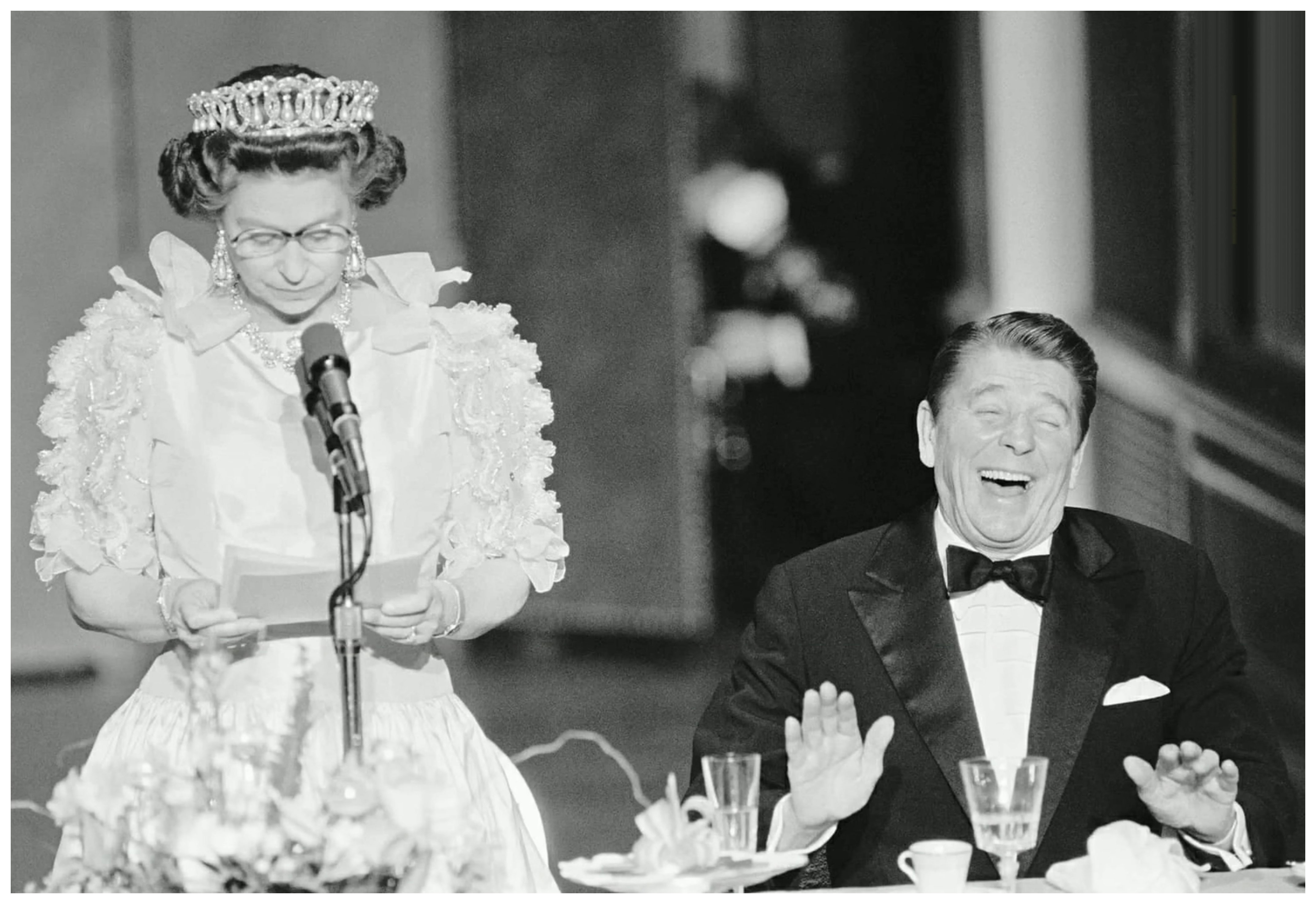
Ronald Reagan laughs following a joke told by Queen Elizabeth II, who commented on the lousy California weather she had experienced since her arrival to the United States during 1983
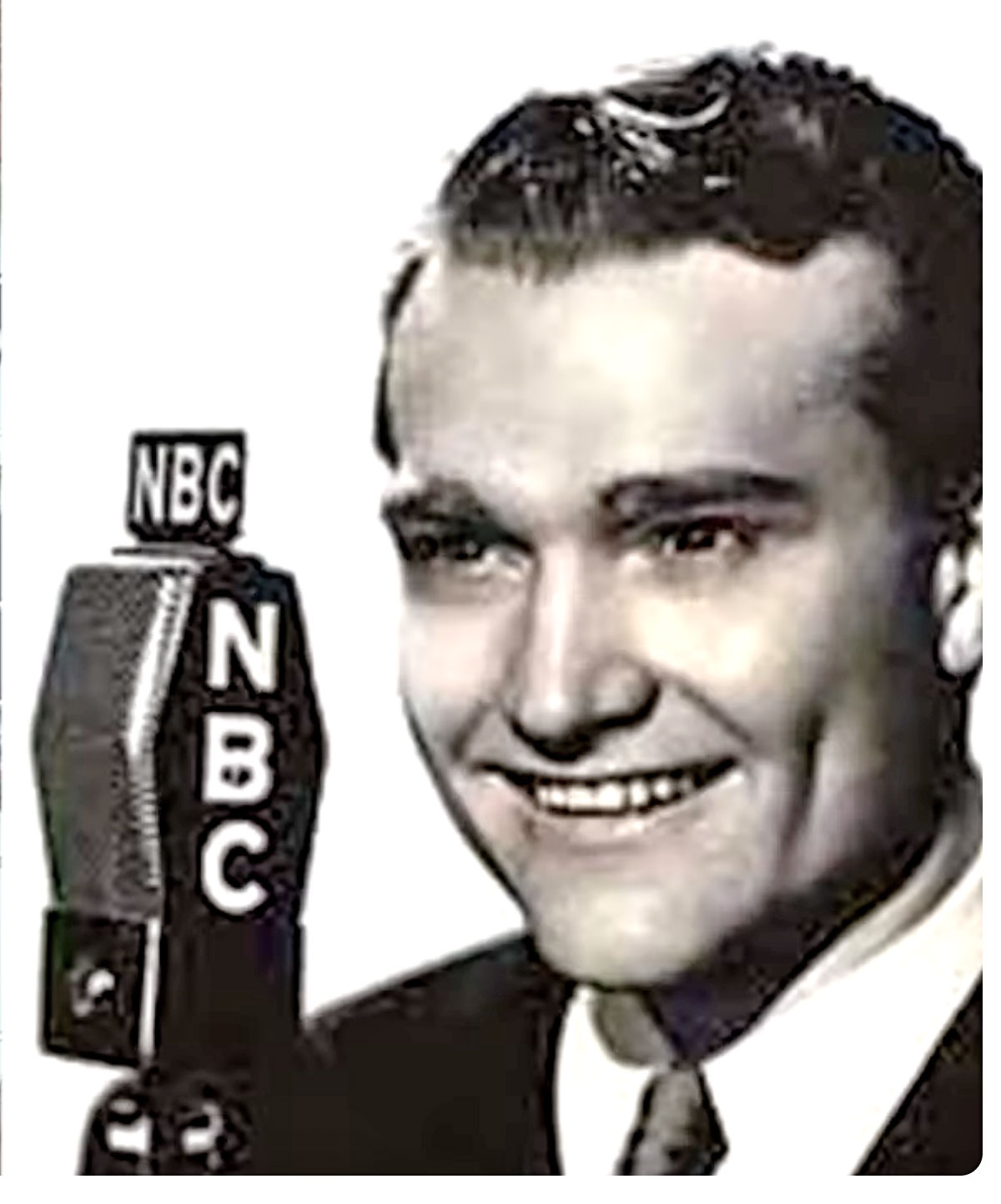
Red Skelton
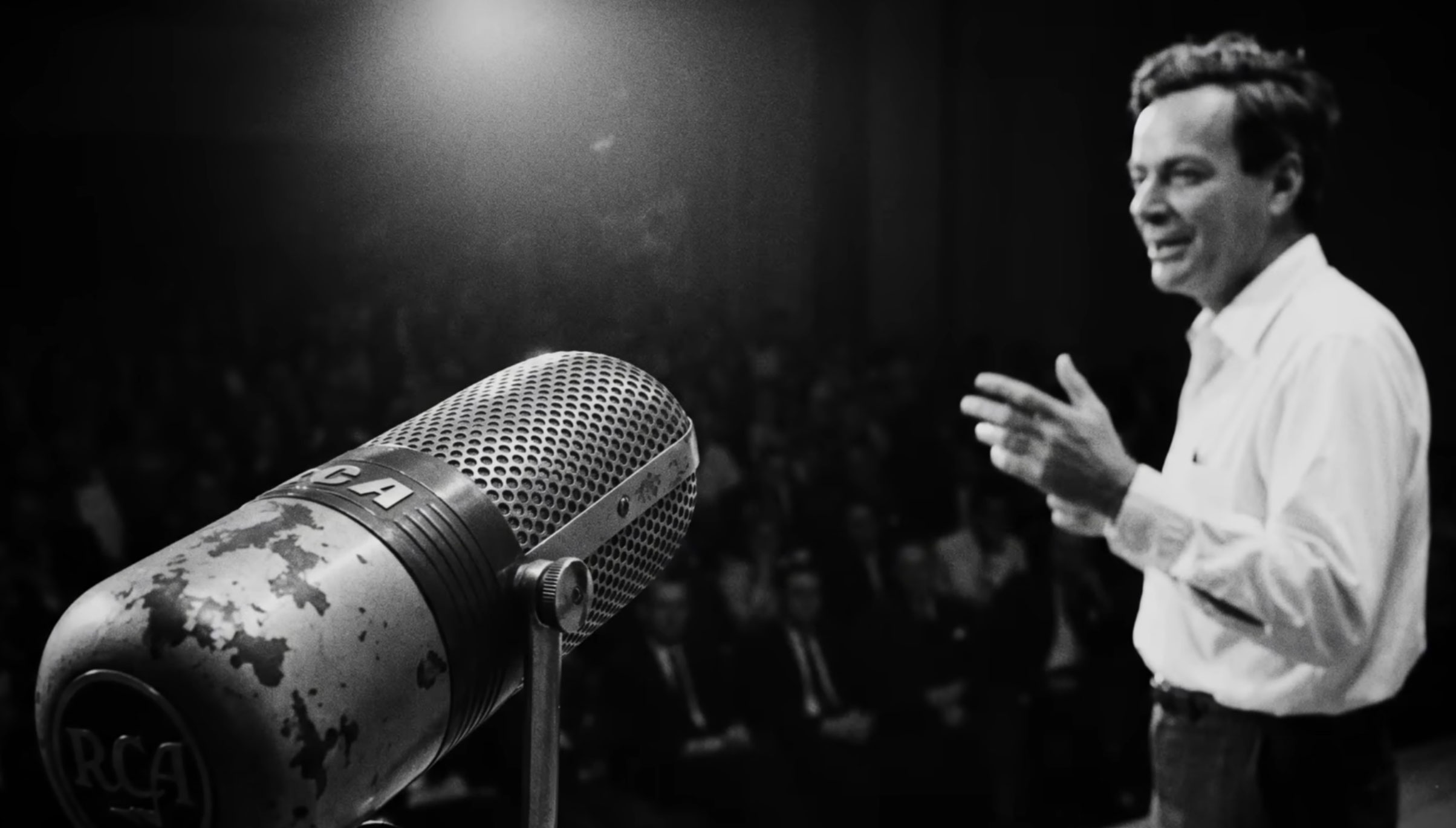
Richard Feynman
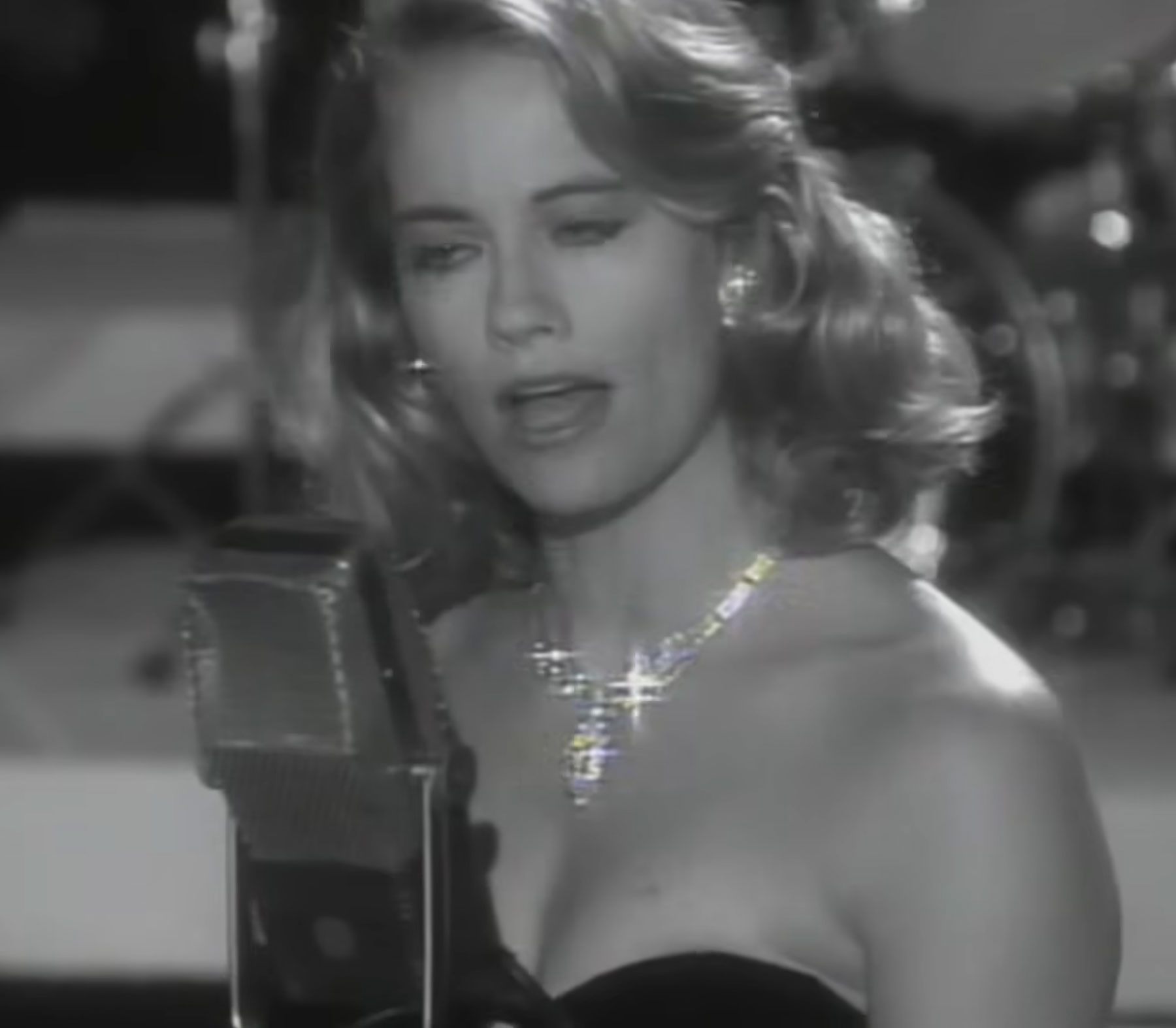
Cybill Shepherd
Early version of the CBS logo
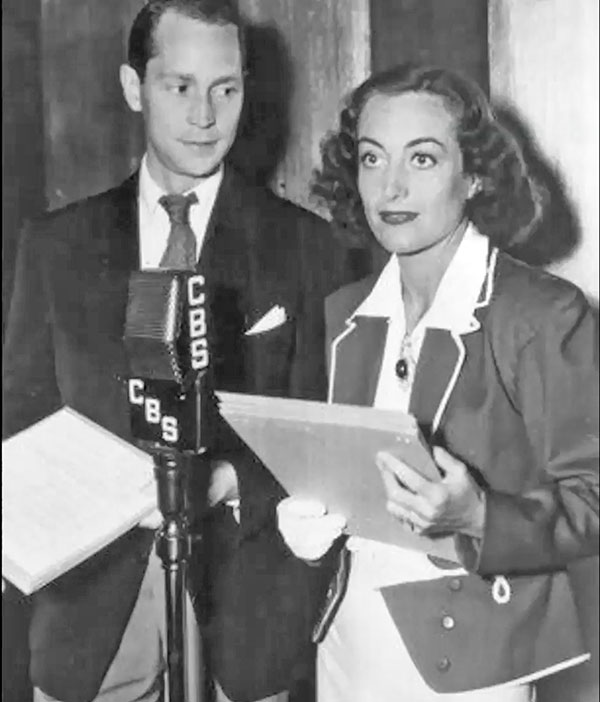
Franchot Tone with wife Joan Crawford
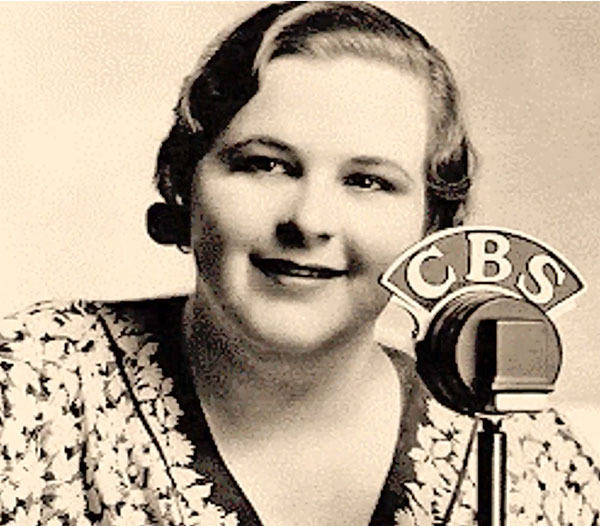
Kate Smith
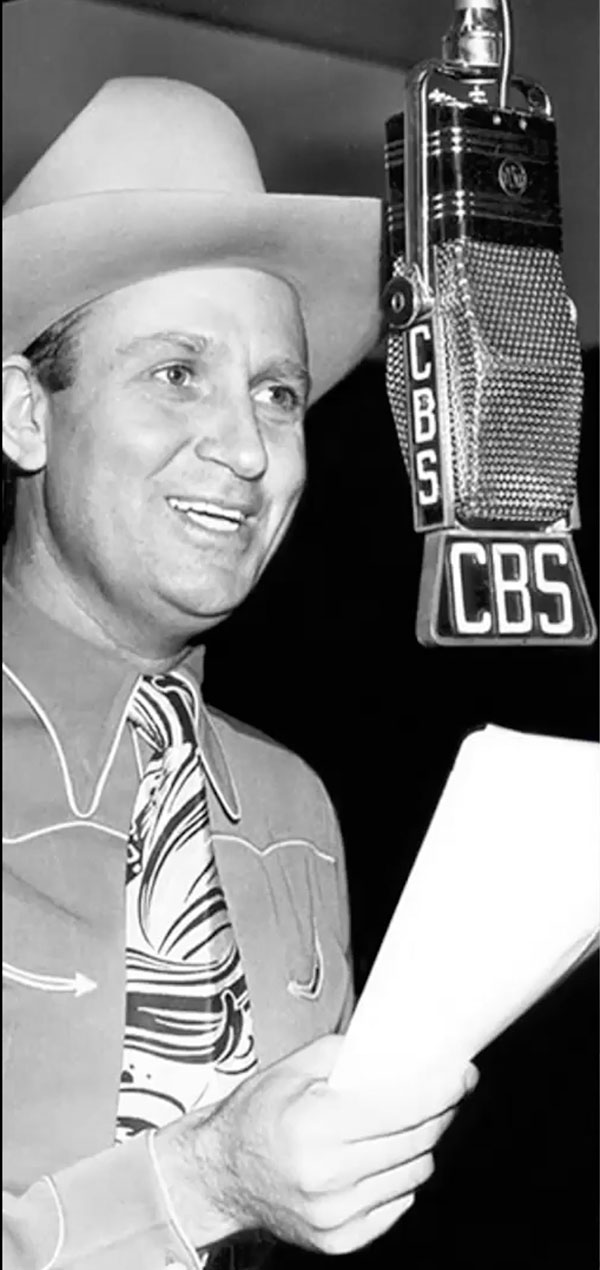
Gene Autry
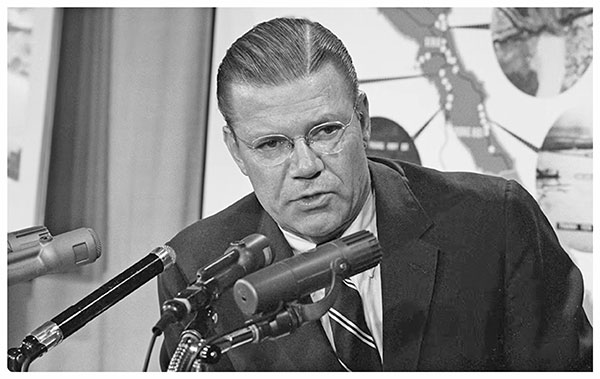
Robert McNamara
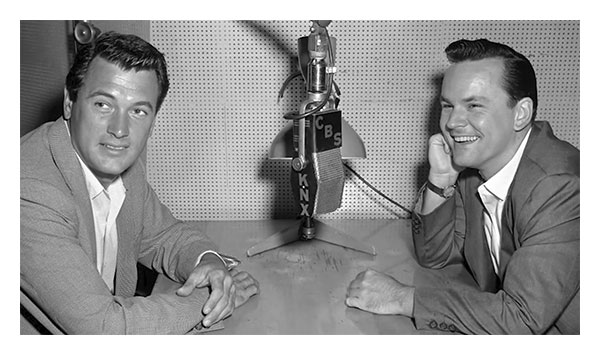
Rock Hudson, Bob Crane
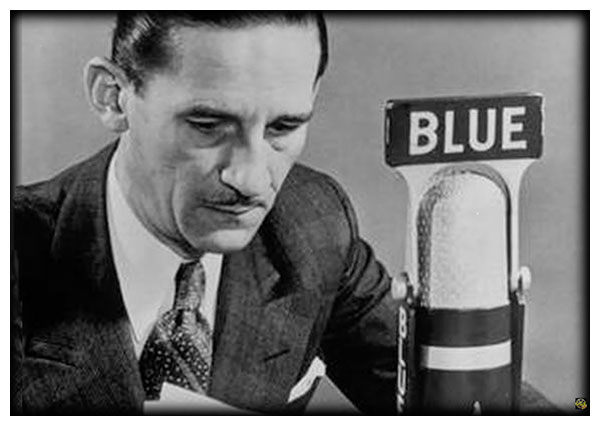
Westbrook Van Voorhis
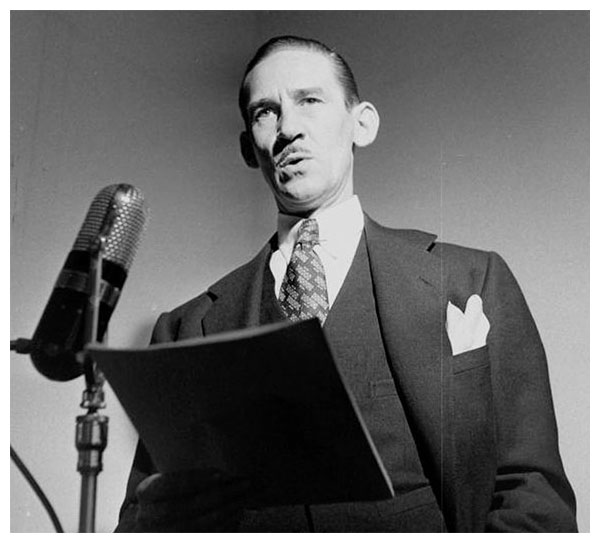
Cornelius Westbrook Van Voorhis (Sept. 21, 1903–July 13, 1968) was a narrator for television programs and movies. He is perhaps best known for his work on The March of Time radio and newsreel series, where he became known as “the Voice of Doom,” as well as for the catchphrase, “Time… marches on!” Van Voorhis became a broadcaster late in the 1920s. On radio, he worked for WOR and the CBS and NBC networks.
He narrated each episode of the 1954–1956 NBC series Justice. He also did narration for the 1957 television series Panic! He was originally scheduled to be the announcer for The Twilight Zone television show but narrated only the pilot. The episode, titled “Where is Everybody?” had its narration revoiced by the show’s creator and writer, Rod Serling.
His last appearances were in a 1966 series of commercials for Quaker Life Cereal, where he moderated “the great Quaker Life debate… is it for adults or kids?” He ended each commercial with his stentorian voice proclaiming “Quaker Life. It must be for everybody!”
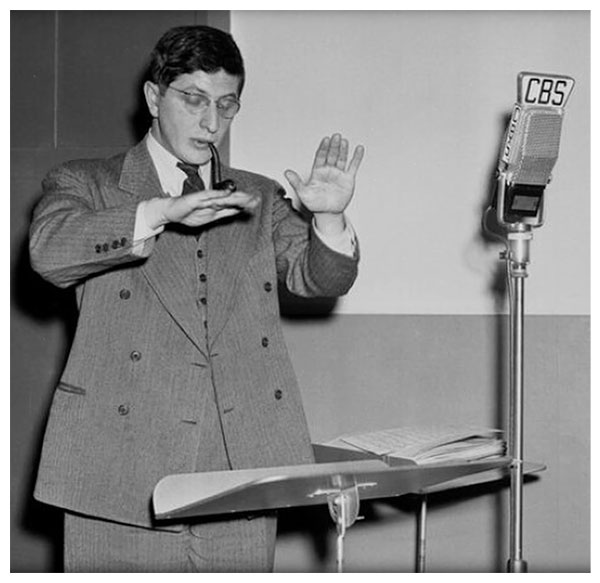
Bernard Herrmann
Bernard Herrmann (born Maximillian Herman; June 29, 1911–Dec. 24, 1975) was an American composer and conductor best known for his work in film scoring. He is regarded as one of the greatest film composers of all time. Alex Ross writes that “Over four decades, he revolutionized movie scoring by abandoning the illustrative musical techniques that dominated Hollywood in the 1930s and imposing his own peculiar harmonic and rhythmic vocabulary.” As a conductor he championed the music of lesser-known composers.
While a young man, Herrmann was chief conductor of the CBS Symphony Orchestra, which led him to become the composer for Orson Welles’ radio series The Mercury Theatre on the Air. This led him to write his first film score, for Welles’ directorial debut Citizen Kane (1941). That year, he won the Academy Award for Best Original Score for The Devil and Daniel Webster. He worked with Welles on The Magnificent Ambersons (1942) and Jane Eyre (1943). He worked with Alfred Hitchcock on nine films, including The Man Who Knew Too Much (1956, where he makes a cameo appearance at the Royal Albert Hall), Vertigo (1958), North by Northwest (1959), Psycho (1960), The Birds (1963, as “sound consultant”) and Marnie (1964).
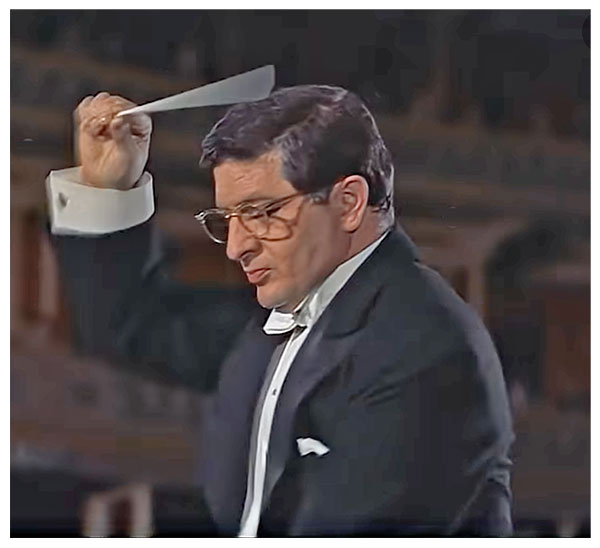
Mr. Herrmann in a scene from The Man Who Knew Too Much
His other credits include Anna and the King of Siam (1946), The Ghost and Mrs. Muir (1947), The Day the Earth Stood Still (1951), Cape Fear (1962), Fahrenheit 451 (1966) and Twisted Nerve (1968). He composed the scores for several fantasy films featuring the work of animator Ray Harryhausen and composed for television, including Have Gun—Will Travel and Rod Serling’s The Twilight Zone. Toward the end of his career, Herrmann scored such Hitchcock-inspired films as François Truffaut’s The Bride Wore Black (1968) and Brian De Palma’s Sisters (1972) and Obsession (1976). His final score, recorded shortly before his death, was for Martin Scorsese’s Taxi Driver (1976). —Wikipedia
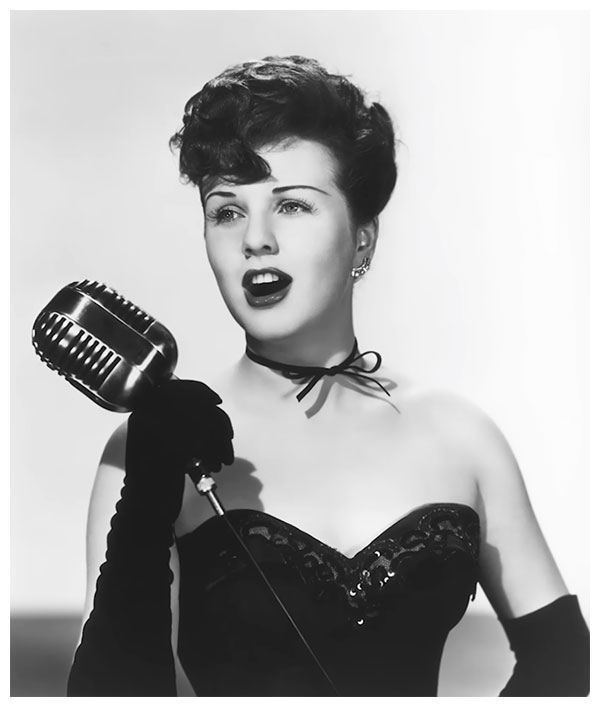
Deanna Durbin
With a Stromberg-Carlson Model 12 or Turner 101C
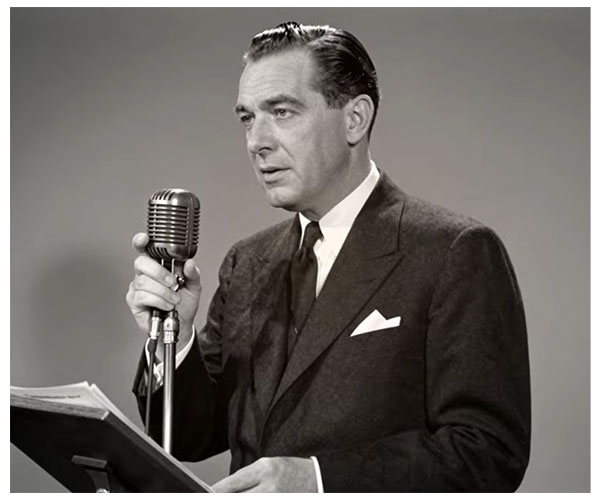
Milton J. Cross
Milton John Cross (April 16, 1897 – January 3, 1975) was an American radio announcer famous for his work on the NBC and ABC radio networks. From 1931 to 1975, Cross served as host for the weekly live broadcasts of the Metropolitan Opera, the job for which he is most remembered. His distinctive voice conveyed the excitement of live performances “from the stage of the Metropolitan Opera House in New York City” for generations of radio listeners. Initially, he broadcast from a seat in “Box 44” at the old Metropolitan Opera House at Broadway and 40th Street. In 1966, he introduced the radio audience to the Met’s new home at Lincoln Center as he hosted a special broadcast of the opening night performance from a modern radio booth in the new house.
For 43 seasons, he was the main (usually sole) commentator. In the 1930s, he shared some broadcasts with other commentators, such as Deems Taylor, John B. Kennedy and Marcia Davenport. Robert Woldrop replaced him (for unknown reasons) for the April 3, 1937 broadcast of Das Rheingold and the May 15, 1937 broadcast of Mignon. He also missed two later broadcasts (Rigoletto – February 10, 1973 and Norma – February 17, 1973) due to the death of his wife. Cross never retired but died in New York from a heart attack during the Met season of 1974–75. His first Met broadcast was Hansel and Gretel on December 25, 1931, and his last was of Turandot on December 28, 1974, 43 years and three days later. He was succeeded by Peter Allen, who had been his standby announcer. Listen to a 1929 promotional announcement by Mr. Cross for Victor recordings, courtesy of The Library of Historical Audio Recordings at www.i78s.org
—Text from Wikipedia
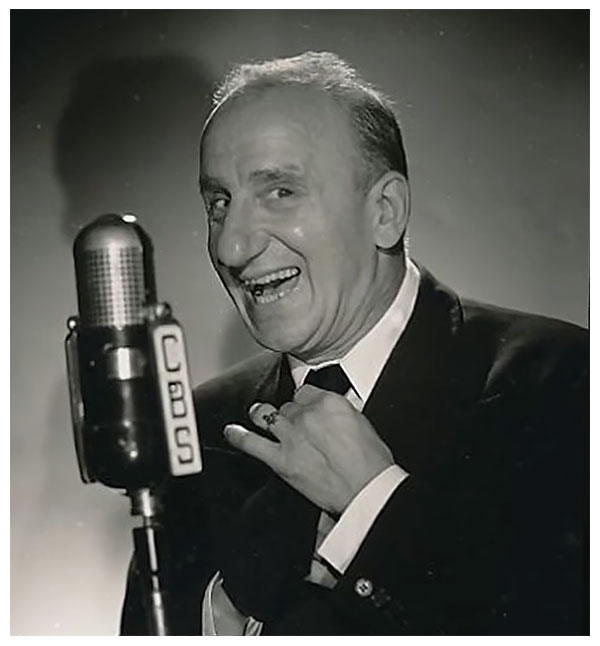
Jimmy Durante
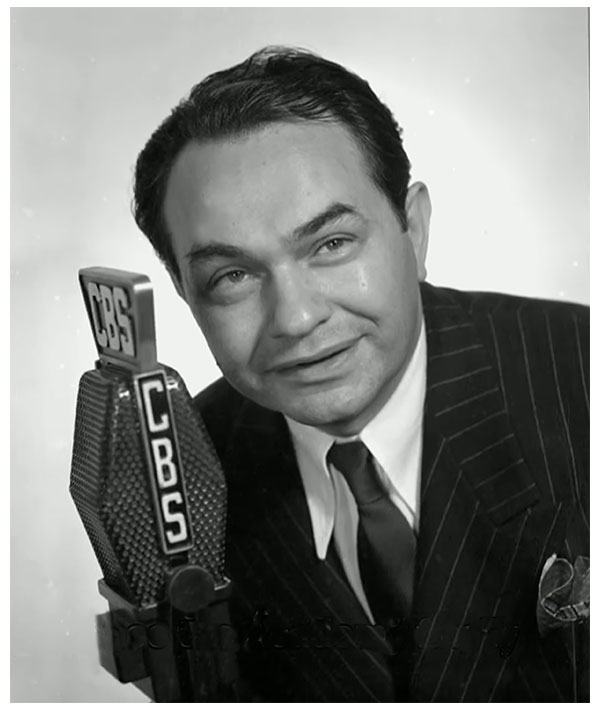
Edward G. Robinson
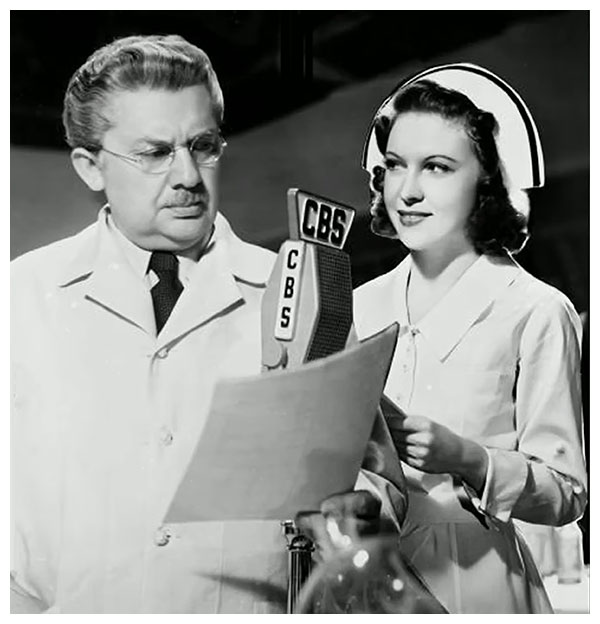
Jean Hersholt, Dorothy Lovett
Jean Pierre Carl Buron (July 12, 1886 – June 2, 1956), known professionally as Jean Hersholt, was a Danish-American actor. He is most famous for starring on the CBS radio series Dr. Christian from 1937–1954, reprising the role in a film series from 1939-1941. He also co-starred with Shirley Temple in the film Heidi (1937). When asked how to pronounce his name, he told The Literary Digest, "in English her'sholt; in Danish, hairs'hult." From 1924 to 1955, he had 140 motion picture credits: 75 silent film and 65 "talkies;" he directed four.
Hersholt is best remembered for his roles in two iconic films. In 1924, he played Marcus Schouler in the silent film classic Greed directed by Erich von Stroheim. A decade later, he co-starred with world-famous child actress Shirley Temple as her beloved grandfather living in the remote Alps in the 1937 film version of the classic 1880 children's book, Heidi, written by Swiss author Johanna Spyri. Throughout his extensive film career, he portrayed a wide range of characters, from villains in early silent films to supporting roles where his gentle Danish language accent and pleasant voice made him well-suited to portray a succession of benevolent fathers, doctors, professors, and European noblemen. Hersholt's final on-screen appearance was in the 1955 movie Run for Cover.
In the 1936 movie The Country Doctor, starring the famous Dionne quintuplets, Hersholt portrayed Dr. John Luke, a character based on Dr. Allan Roy Dafoe, the Canadian obstetrician who delivered and cared for the Dionne quintuplets. Two sequels followed the movie. Hersholt wanted to portray the role on radio but could not obtain the rights. He chose to create his own doctor character for radio. Since he was a fan of fairy tale anthology author Hans Christian Andersen, he borrowed that name for his character portrayal. This character, "Dr. Paul Christian," was a philosophical doctor who practiced in the typical Midwestern town of River's End. He received assistance from Nurse Judy Price and occasionally from others. On 7 November 1937, Dr. Christian debuted on the Columbia Broadcasting System (CBS) radio network as part of the Vaseline Program opening with the theme music, "Rainbow on the River."
The small-town physician's good humor, innate common sense, and scientific training helped drive off a series of villainous types attempting to disrupt the peaceful lifestyle of River's End. The radio series, produced by Dorothy McCann, became a popular and long-running hit. It aired on the CBS network for 17 years until January 6, 1954. Hersholt was so strongly associated with the role that he received mail asking for real-life medical advice. The Dr. Christian series spawned several spin-offs, making it one of the earliest media franchises. For example, Hersholt co-wrote a Dr. Christian novel and starred in a series of six family feature films as Dr. Christian in a franchise spanning two years, from 1939 to 1941. An example of one of these films is Dr. Christian Meets the Women released in 1940.
In 1956, two years after the long-running radio program concluded, the character Dr. Christian made the transition to television and its unique programming style. The script for this new television program was written by a young Gene Roddenberry, who would later become famous for creating the original TV series Star Trek in 1966. This led to the renowned science fiction franchise over the next few decades. The new Dr. Christian TV show differed from the radio series by introducing a new, younger character portrayed by Macdonald Carey as the elder Christian's nephew, "Dr. Mark Christian." The show was syndicated through CBS and its production company, Ziv Television, and ran for two seasons from 1956-1957. It was mostly broadcast at non-traditional times on local stations nationwide, after Jean Hersholt's death in early 1956.
During 1939, Hersholt broadened his social interests and played a critical role in establishing the Motion Picture Relief Fund, now known as the Motion Picture and Television Fund. This fund provides medical care and support for Hollywood industry employees at various levels, offering assistance when experiencing difficulties due to illness, old age, or other challenges. This occurred just four years after the establishment of America's "social safety net" with the passage of Social Security old age pension system by the Roosevelt administration. The fund Hersholt supported was used to establish the Motion Picture Country House and Hospital in Woodland Hills, California. After his death in 1956, his philanthropic endeavors led to the establishment of the Jean Hersholt Humanitarian Award. This honorary Academy Award, also known as the "Oscar," is presented to an "individual in the motion picture industry whose humanitarian efforts have brought credit to the industry." The fund was later expanded to include those working in the television field. —Wikipedia
|


